
Will Claiming Car Hail Damage Repair Raise Your Auto Insurance Rates?
Understanding how hail damage claims can influence your auto insurance rates is crucial for any vehicle owner. Hailstorms can be unpredictable and cause significant damage, which often leads to insurance claims. However, the aftermath of filing such a claim can have varying effects on your insurance premiums. This article delves into the mechanics of insurance claims related to hail damage, examining how such claims are processed and how they might affect future costs. With insights into the factors influencing insurance rates, readers can make informed decisions when faced with vehicle damage from hail.
Understanding Hail Damage and Insurance Coverage
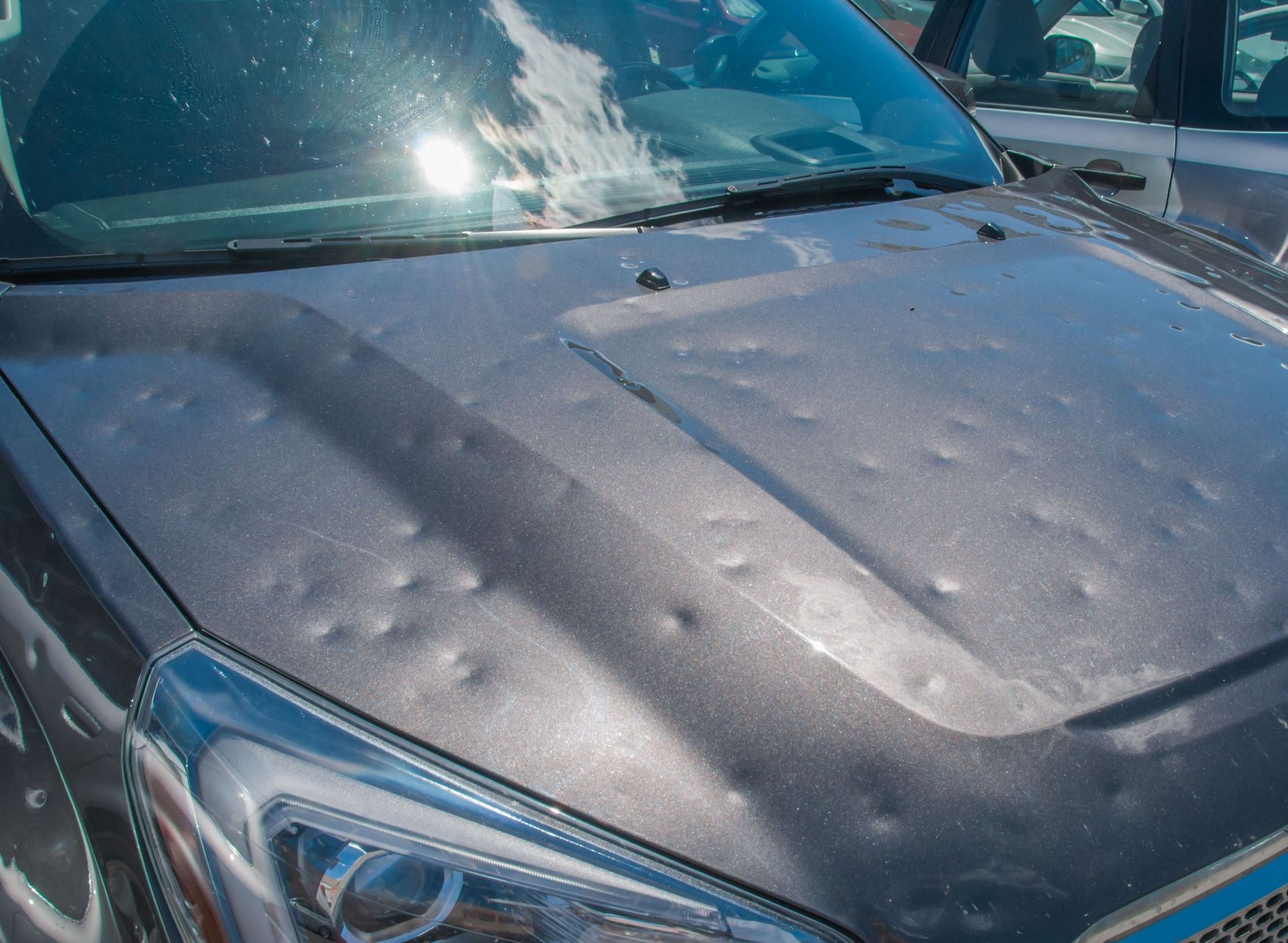
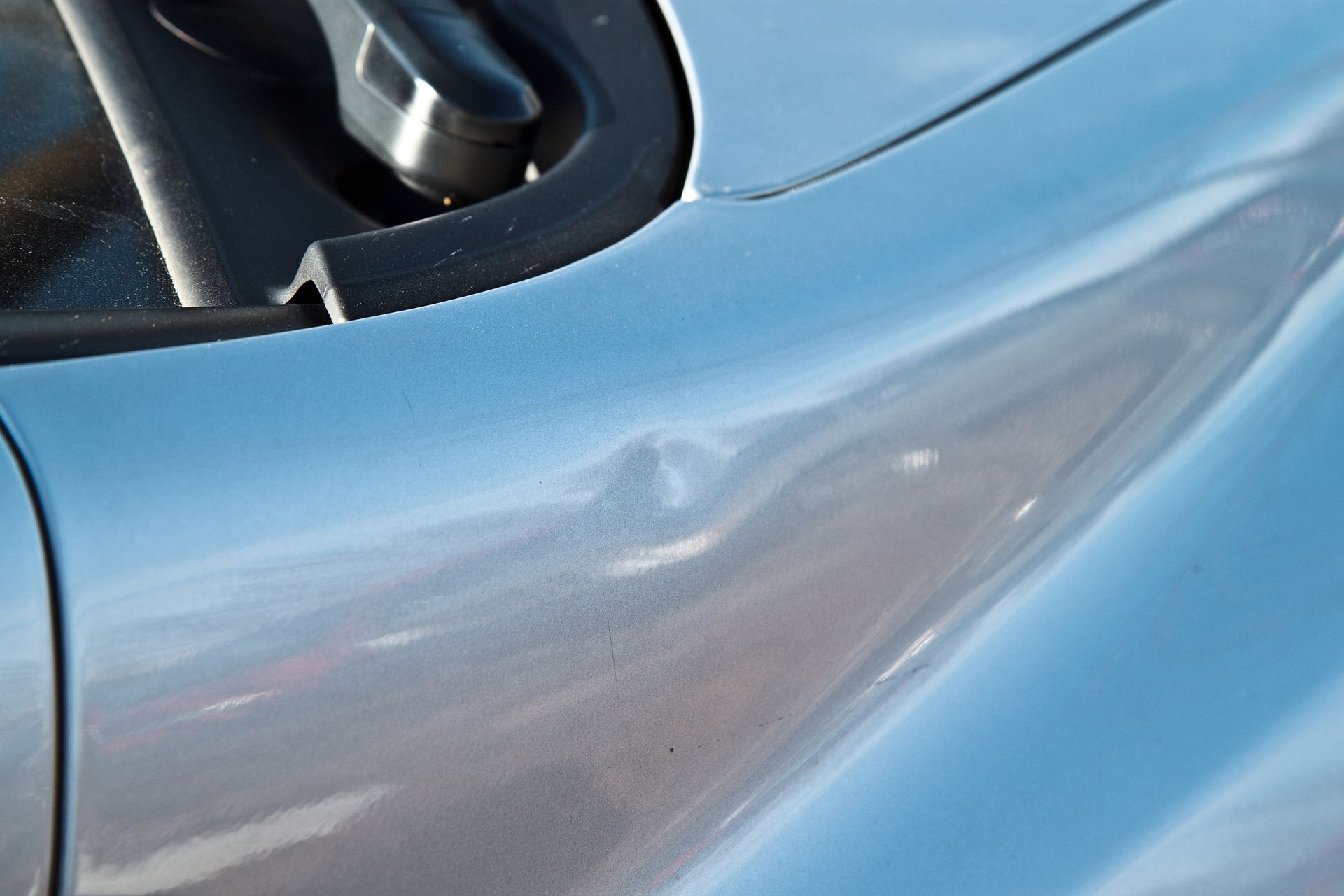
Spotting hail damage is often one of the earliest and most obvious signs that your vehicle requires professional attention. Hail damage typically presents as small, circular dents across the hood, roof, and trunk, with larger stones causing noticeably severe structural impacts. Fresh dents tend to be sharp and deep, while smaller impacts might appear minor until viewed under specialized repair lighting. Damage is frequently found on flat vehicle surfaces that absorb direct impact during severe weather. Windows, side mirrors, and exterior trim, which are exposed, also serve as prime damage locations. Experiencing severe weather damage can pose serious financial risks, carrying repair costs that escalate rapidly if left unaddressed. Delaying repairs can lead to rusted metal surfaces, cracked paint finish, and compromised vehicle resale value, making prompt action necessary. Seeking professional estimates is recommended to minimize out-of-pocket exposure while thoroughly restoring affected vehicle panels. Large amounts of denting indicate significant damage that may be beyond the scope of minor touch-ups. When extensive denting is found, professional car hail damage repair services are required to ensure thorough restoration and ongoing structural integrity.
The Role of Comprehensive Coverage
Hail damage is generally covered under the comprehensive portion of an auto policy, which handles non-collision weather events. Common signs of comprehensive coverage usage include filing claims for fallen branches, cracked windshields, and severe weather impacts. Hearing heavy hail during a storm adds to the suspicion of active vehicle damage. Tracking down the full extent of storm damage can be challenging, but inspecting the vehicle under proper lighting helps pinpoint every dent. Inspecting hoods, roofs, trunk lids, and side panels often reveals physical evidence of severe weather impact. According to AccuWeather, the Storm Prediction Center has tallied 332 storm spotter reports in the United States of hail larger than 2 inches in diameter. The unpredictable nature of severe storms means vehicles parked outdoors face constant exposure during volatile seasons. Distinguishing between hail denting and minor parking lot door dings is key to addressing insurance claims accurately. Door dings produce localized, vertical creases, whereas hail creates widespread, spherical impressions. Mitigating further damage requires seeking covered parking or deploying protective vehicle car covers. Combining preventive measures with professional car hail damage repair techniques offers a comprehensive solution to restore your vehicle's value.
Policy Clauses Pertaining to Weather Damage
One of the more damaging aspects of severe weather is the presence of unexpected hail impacts on body panels. Hailstones fall at high speeds, necessitating specialized dent removal to restore metal without destroying factory paint. These dents appear on aluminum hoods, steel quarter panels, and decorative roof moldings, typically featuring smooth, rounded edges. Denting is most frequently observed on exposed horizontal surfaces where impact forces are direct. Windows, side pillars, and light housings often show signs of this destructive weather activity. Severe hail impact poses several serious risks, such as weakening structural metal and cracking clear coat finishes. Paint cracking is particularly problematic, leading to exposure to moisture and potential rust formation. To address this risk, vehicles should be parked in sturdy garages or covered carports, and vulnerable glass should be shielded. Severe damage from severe storms often requires professional restoration alongside targeted car hail damage repair measures. When vehicle paint or structural panel integrity is compromised, immediate expert evaluation and repair are vital to ensure long-term automotive value.
How Insurers Assess Hail Damage
Insurance adjusters frequently evaluate dented panels to establish accurate repair estimates for policyholders. Adjusters look for metal stretching, cracked paint, and shattered glass components to document claim severity. Recognizing the presence of these issues, especially when widespread across multiple panels, indicates a major comprehensive claim. Repairs are commonly performed in specialized auto body facilities that offer dedicated light bays and specialized tools. Inspecting under specialized lines, inside wheel wells, and along window seals can uncover hidden panel deformation before claims are finalized. A single severe storm can damage dozens of body panels, creating significant repair requirements for a single vehicle. Promptly addressing these dents by scheduling repair services helps maintain overall vehicle market value. Completing claim documentation must be done carefully using detailed photographic evidence, including clear close-ups of all impacted panels. Documenting damage before submitting paperwork reduces the risk of claim processing delays. Utilizing paintless dent repair techniques, working with certified technicians, and applying comprehensive car hail damage repair strategies form a robust defense against lasting vehicle depreciation.
Frequency and Impact of Hail Events
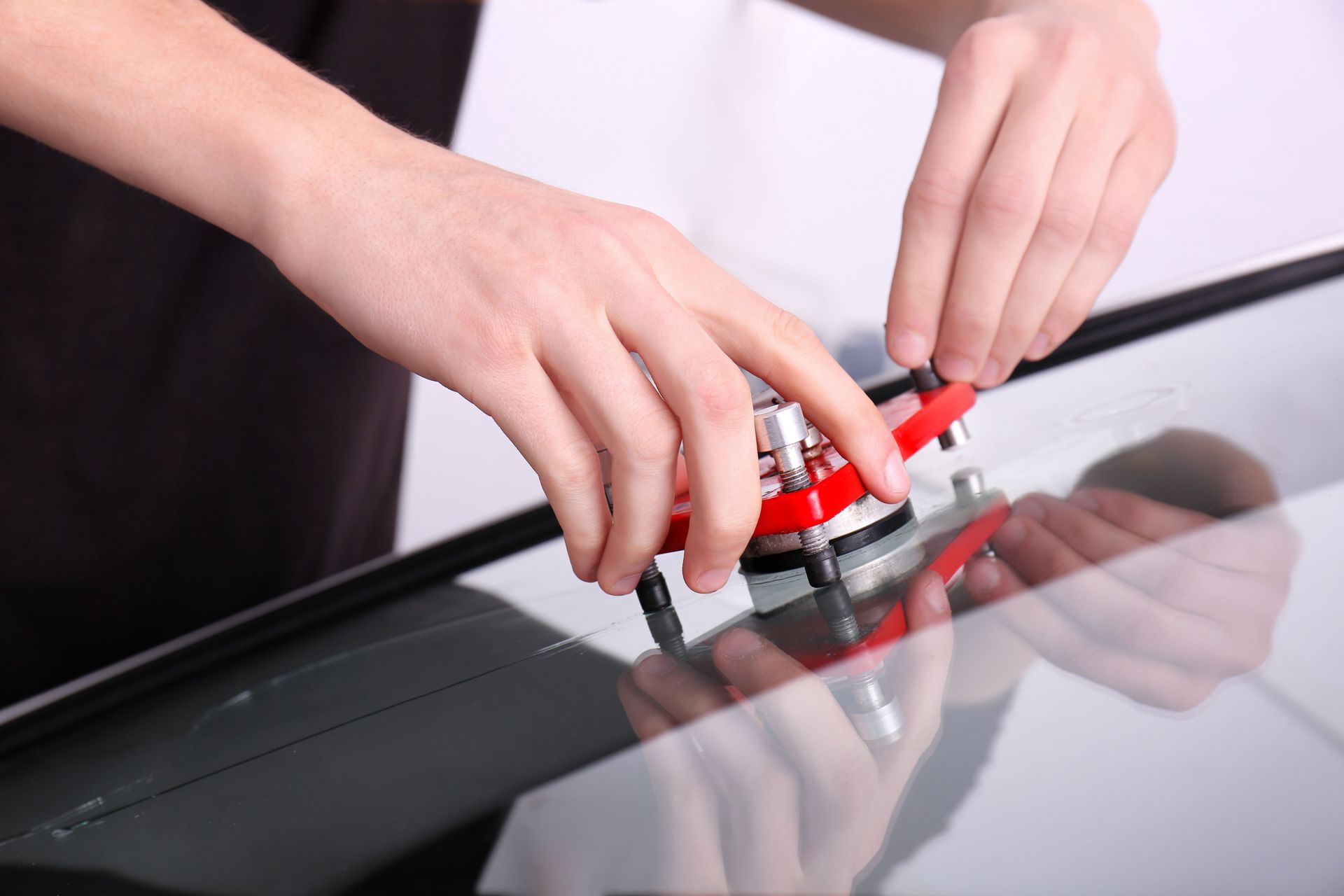
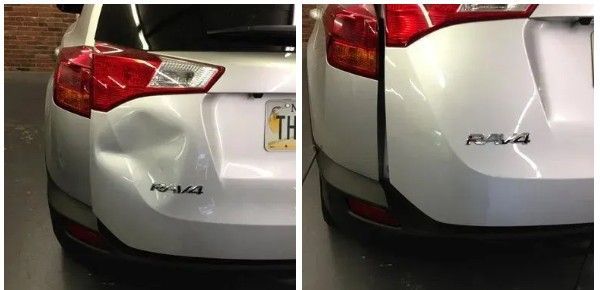
Severe storms produce distinct, costly damage profiles throughout impacted geographic regions that worsen without professional restoration. The cost is often substantial, stemming from extensive labor, specialized dent removal tools, and potential panel repainting. Identifying this damage early can be a significant factor in preserving your vehicle's long-term resale value, especially in regions with frequent severe weather. Finding the full extent of hail damage requires checking areas where impacts are less obvious, including lower body cladding, roof racks, and trim. Attention must also be paid to subtle structural areas like door frames and pillar supports. Structural issues associated with hail damage pose long-term risks due to hidden metal fatigue and compromised protective coatings. Driving a heavily dented vehicle can lead to diminished owner pride or exacerbate resale depreciation in competitive used car markets. Effective methods to eliminate hail damage include specialized paintless dent removal and the application of precision manipulation tools to massage metal back to its original shape. Engaging certified technicians ensures thorough panel restoration and complete removal of all visible surface imperfections. Regular vehicle care maintains a pristine appearance and keeps vehicles free from weather-related defects.
Submitting a Hail Damage Claim: The Process
Insurance policyholders often possess keen instincts that indicate when a storm has caused claim-worthy vehicle damage long before formal estimates occur. Car owners pay close attention to weather alerts and visual storm severity that lead them directly to assess post-storm vehicle conditions. Observing your vehicle's exterior after a storm offers early warning signs of necessary repair intervention. Owners may spend prolonged periods inspecting hood contours, trunk lines, or side moldings, while noticing subtle shadows or distorted reflections across body panels. Disruption to smooth factory reflections is frequently a direct response to minor hail impacts or hidden surface dimples. Vehicle owners often show heightened concern near flat metal panels, windshield glass, and side mirrors where hail impacts directly. Understanding these visual cues allows car owners to respond promptly to severe weather losses. If visual inspections consistently reveal widespread surface dimpling, a thorough professional estimate is advisable. Taking action based on thorough visual inspections provides a proactive approach to vehicle maintenance. Combining personal inspections with professional car hail damage repair interventions helps restore vehicle aesthetics and eliminates panel deformities before secondary issues develop.
Recognizing the telltale signs of severe weather impact early can prevent extensive vehicle depreciation and mitigate long-term structural issues for your automobile. Taking swift, decisive action—whether you are addressing fresh hood dents, cracked windshield glass, damaged side trim, compromised paint finishes, or distorted panel reflections—is essential for maintaining a pristine, valuable vehicle. Ignoring these warning signs only allows paint cracking and hidden rust to develop, increasing the likelihood of diminished resale value and costly body repairs down the line. Protecting your vehicle investment requires a proactive approach that combines thorough insurance claims processing, complete panel inspection, and precision paintless dent removal. To permanently resolve storm damage, fortify your vehicle against long-term depreciation, and safeguard your automotive investment, rely on the comprehensive car hail damage repair solutions provided by Dents Express.



Share On: