
Does Your Insurance Cover Car Hail Damage?
Hailstorms are becoming increasingly frequent, posing a significant risk for vehicles parked outdoors. Understanding how your car insurance deals with car hail damage is crucial for every vehicle owner. When a storm hits, the last thing you want to discover is that your policy doesn't offer the protection you need. With millions of cars damaged each year, the importance of proactive planning cannot be overstated. Reviewing your deductible, comprehensive coverage limits, and claim process ahead of storm season can provide added peace of mind and help minimize unexpected financial burdens.
Insurance policies can be complicated, and coverages vary significantly between providers. Grasping the intricacies of your policy could save you thousands of dollars in potential repairs. It is also essential to recognize the importance of implementing preventive measures alongside insurance. We aim to arm you with the knowledge needed to make informed decisions about protecting your vehicle from nature's unpredictable forces.
Identifying Various Forms of Impact
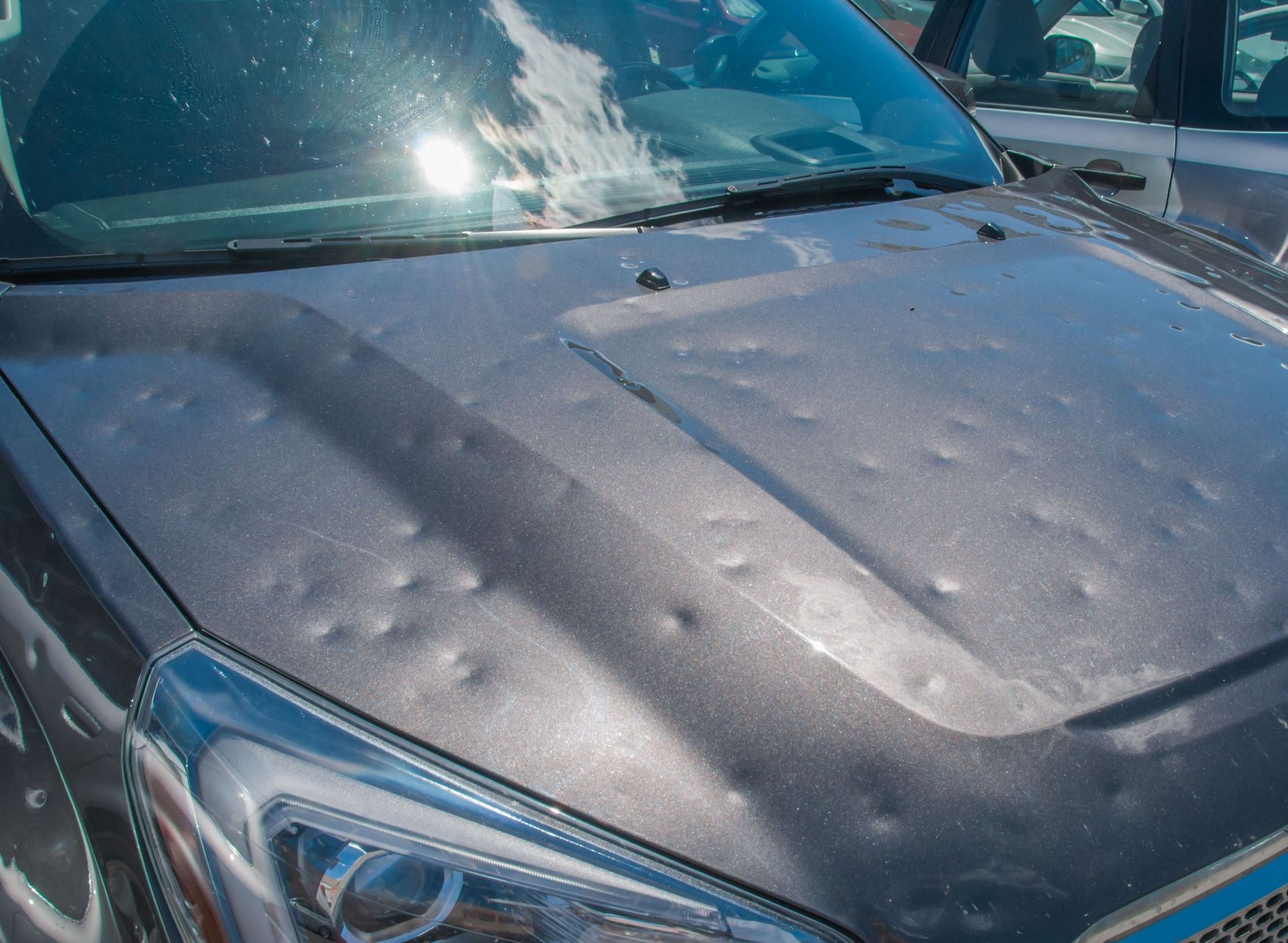
Hail specifically refers to the harm caused to vehicles when hailstones strike them. Typically forming in strong thunderstorm clouds, these stones vary in size from that of a pea to a grapefruit. Even small hailstones can cause significant damage depending on the speed at which they strike. According to WFMZ News, hail causes an estimated $1.07 billion in property damage across the U.S. each year, highlighting the massive financial risk involved for those without car hail damage protection. Larger hailstones can also shatter mirrors, damage paint finishes, and compromise exterior trim components.
The impact on vehicle integrity is not just superficial; it can extend to mechanical issues. Moisture can seep through broken seals, leading to interior damage or electronic failures. Frames may develop subtle misalignments, affecting the vehicle's structural integrity and overall safety. Handling car hail damage quickly is crucial to maintaining vehicle safety and preventing rapid depreciation in your vehicle's market value.
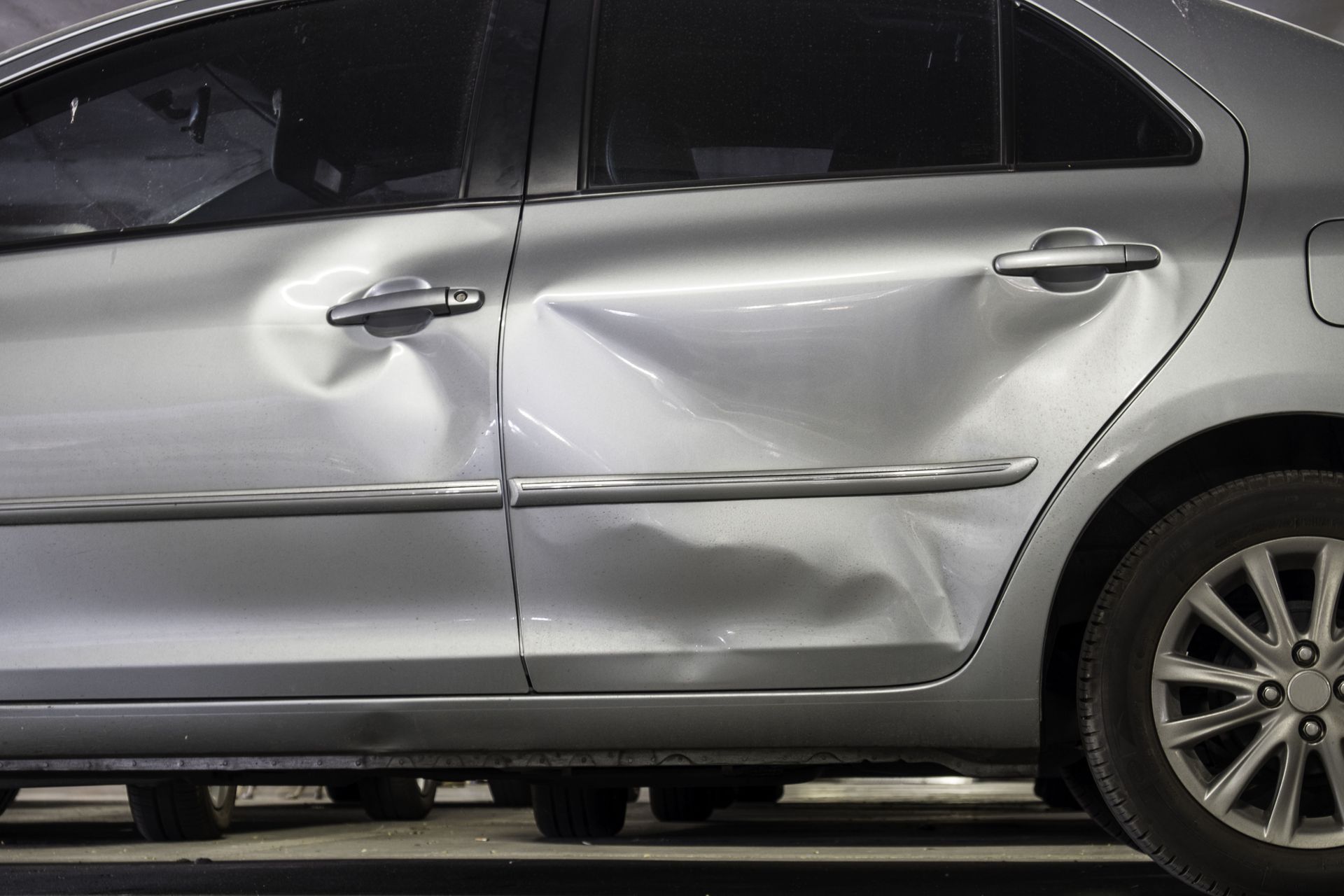
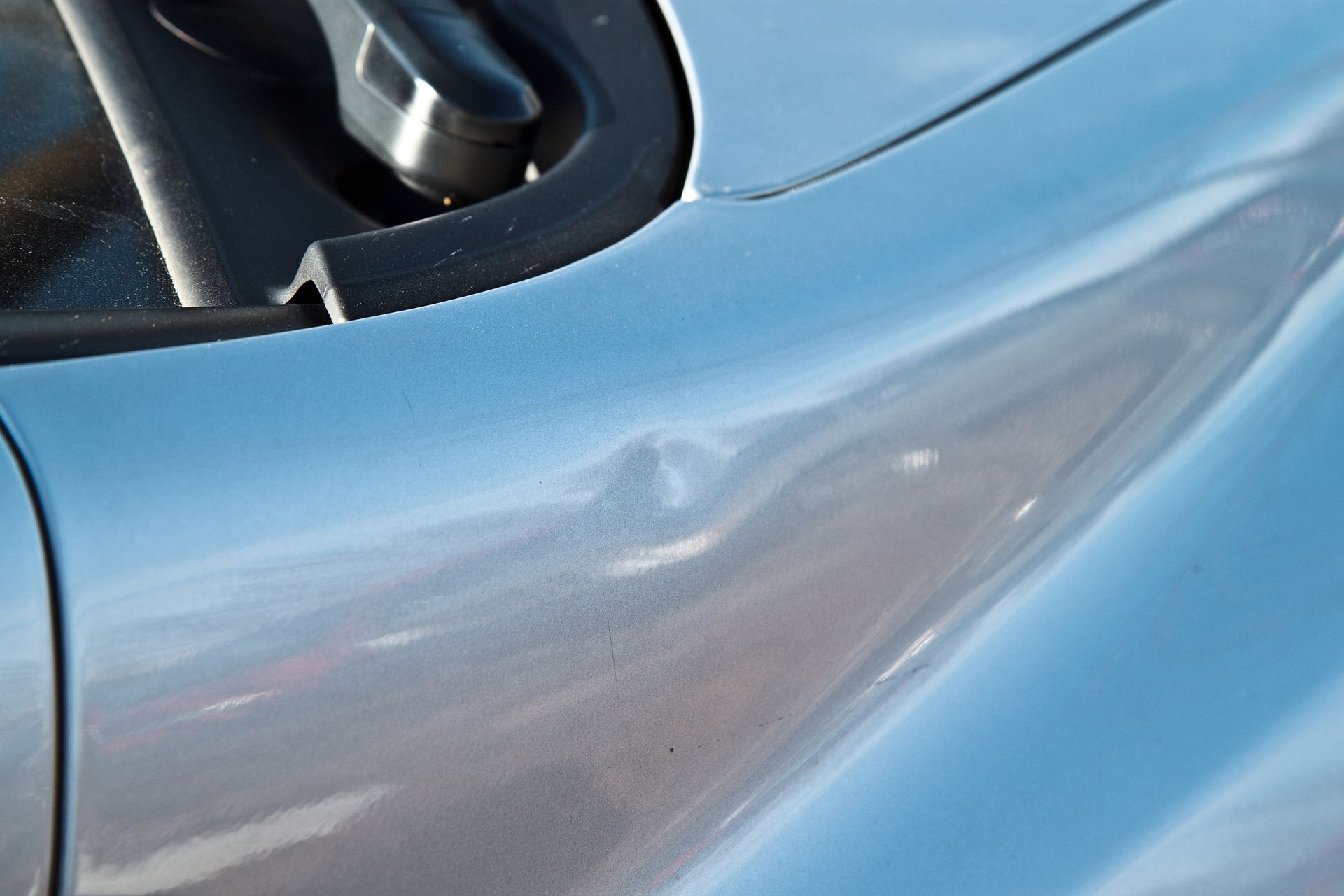
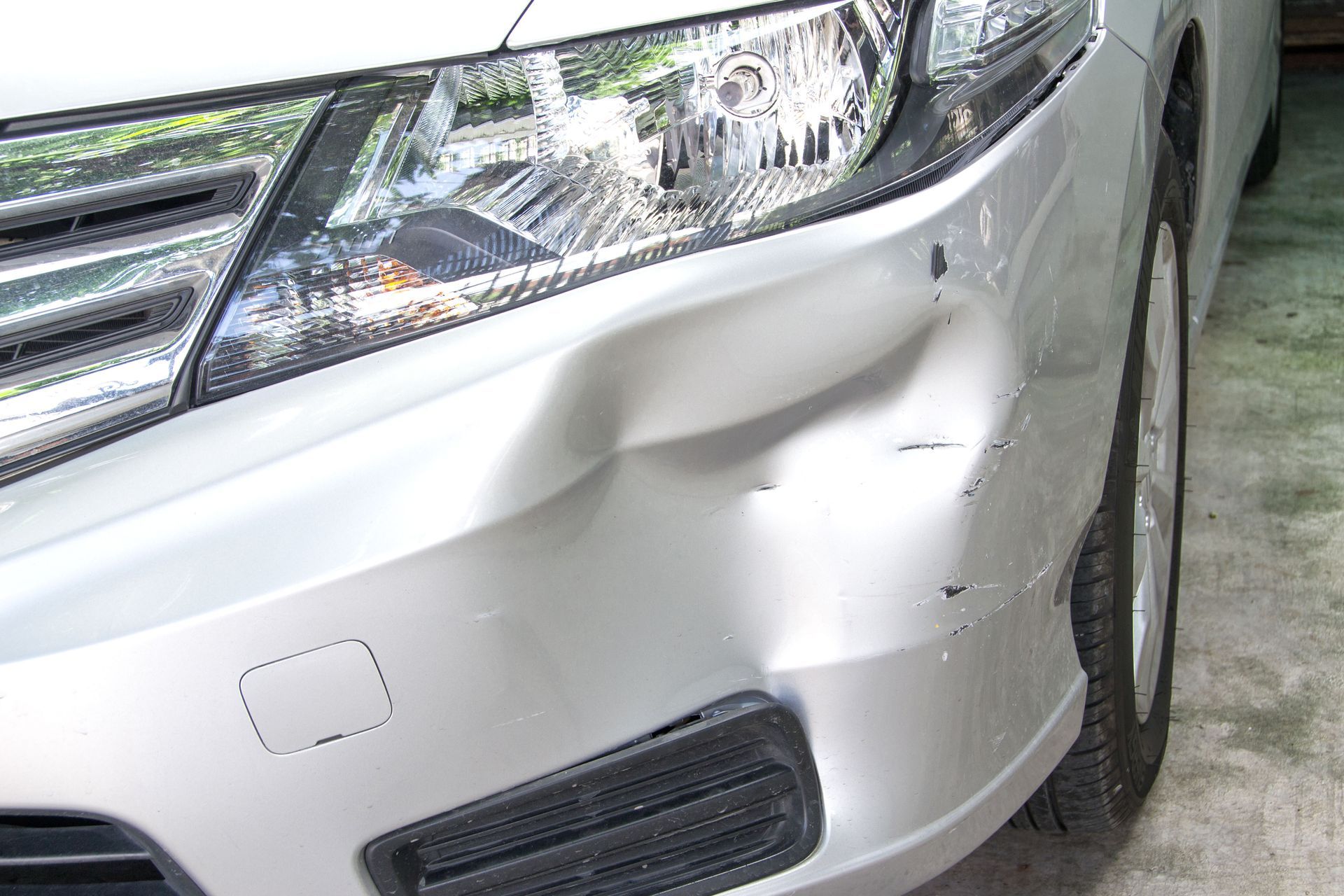
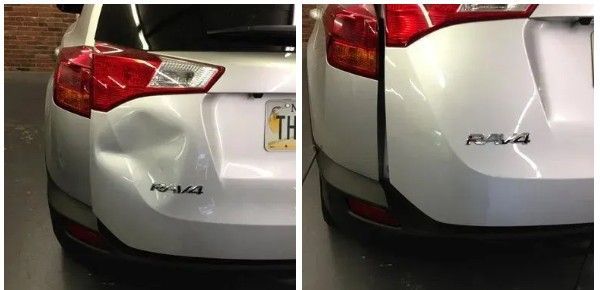
Common manifestations include dents or dings that pepper vehicle surfaces, most pronounced on flat surfaces such as hoods, roofs, and trunks. Cracks or chips in windows and windshields pose immediate safety risks. Failure to address these defects can result in extensive rust formation, reducing vehicle lifespan and increasing repair costs exponentially. Professional assessment is always the most responsible approach to maintaining a vehicle's functional and aesthetic condition.
Choosing Comprehensive Insurance Options
Comprehensive coverage is designed to cover non-collision-related damages, including natural occurrences like car hail damage. For vehicle owners concerned about weather risks, this provides an essential safety net. While comprehensive policies can vary by provider, hail coverage is typically a prevalent inclusion. Potential insurance clients should thoroughly examine policy offerings to confirm the inclusion of weather-related incidents and understand applicable deductibles.
It is important to understand the differences between comprehensive and collision coverage. Collision coverage primarily handles damage incurred from accidents involving other vehicles or stationary objects. In contrast, comprehensive coverage encompasses damages resulting from non-collision incidents like extreme weather. Relying solely on collision coverage can leave a gap in protection that owners of high-risk vehicles cannot afford, especially in regions prone to severe storms.
Insurance providers often bundle both types of coverage in broader auto insurance packages, which can be more affordable through bundled discounts. By maintaining a complete insurance package, vehicle owners protect against virtually all eventualities. A strategic approach to insurance, understanding where one type of coverage ends and the other begins, optimizes financial security against both man-made and natural hazards.
Verifying Specific Policy Details
Before storms hit, it is vital to verify your current auto insurance policy covers car hail damage. A close review of your policy documentation can typically offer a direct answer in sections on comprehensive coverage. Verify specific clauses that mention natural disasters and check their inclusivity. Should questions arise, reaching out to an insurance agent is recommended to ensure the right endorsements are in place before a storm occurs.
Technology offers various ways to track policy coverage, with many insurance providers featuring robust online portals. These allow for checking live updates, downloading policy documents, and communicating efficiently with agents. If your policy is lacking, you might require endorsements or riders to bolster your protection. These adjustments enhance or extend the terms of coverage to accommodate unique needs or specific regional weather anomalies.
Policyholders are advised to engage with insurance consultants to explore comprehensive coverage strategies. The additional premiums for these customizations are often outweighed by savings from damage repaired under expanded policy coverage. Careful evaluation of potential risks, along with developing tailored solutions with endorsements, equates to a robust and responsible approach to vehicle care and long-term asset protection.
Documenting the Incident Thoroughly
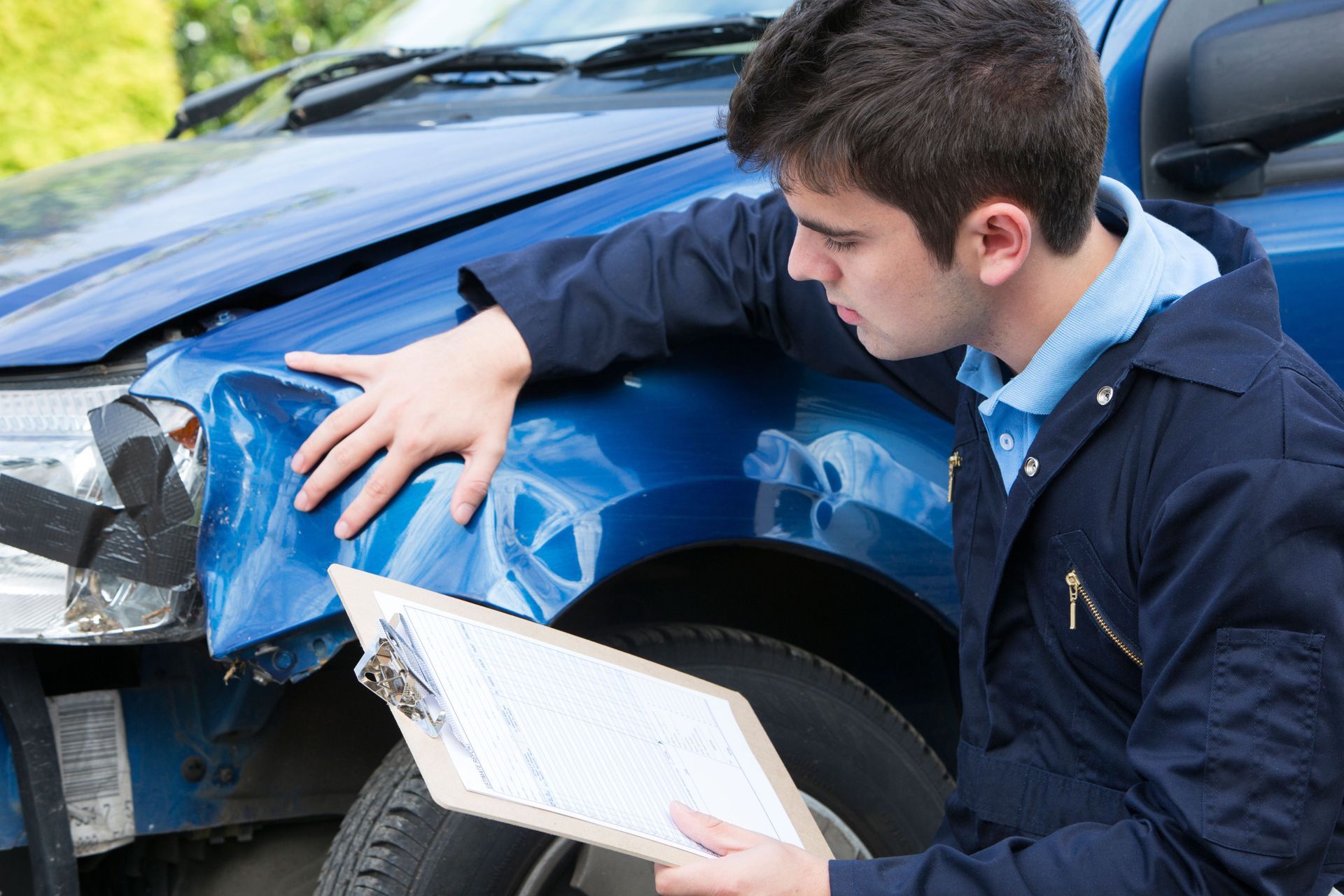
Should a hailstorm occur and wreak car hail damage upon your vehicle, the first steps should aim toward assessment and documentation. Prioritize safety by ensuring that immediate risks, like shattered glass, are minimized. Once safe, conduct a thorough evaluation and document all visible aspects of damage through photographs and written descriptions. Having evidence is critical and improves claims approval speed significantly.
By involving authorities, official documentation can bolster your claim, especially in widespread storm events. While downstream hassles are frustrating, having formal statements regarding when and how the damage took place offers tangible validation to insurance adjusters. Before contacting your insurance company, consolidating all important documents, including your coverage details, streamlines the forthcoming claim filing process.
Contacting your insurance company swiftly is essential; the faster the report, the quicker the resolution can proceed. Insurers require details on when the incident occurred and its effects; providing this promptly underpins their assessment processes effectively. Note the timelines provided by your insurer and understand the procedural nuances required by them for moving forward to ensure you receive the compensation necessary for repairs.
Mitigating Risks Through Planning
Understanding which geographic areas are most vulnerable to hailstorms can help car owners assess their risk levels more accurately. The central United States, often called "Hail Alley," experiences frequent, damaging events. Awareness of these areas helps vehicle owners undertake necessary preventive measures, such as investing in carports or garages. Knowing that your area is susceptible also equips you with the opportunity to seek better insurance packages.
Climate change appears to be affecting weather patterns globally, causing hailstorms to become more frequent in previously unaffected regions. This shift underscores the importance of being prepared irrespective of traditional weather conditions. Staying informed about local developments and any shifts in where hail is likely to strike ensures that your vehicle and investments are adequately protected through both physical and financial means.
In regions where hail occurs commonly, many drivers face increased insurance premiums due to the heightened risk. Regular updates to your policy ensure your coverage aligns with your current geographic realities. This approach revalidates that all potential vulnerabilities are addressed. In remaining engaged and aware of your policy details, you safeguard not just your vehicle, but your overall peace of mind as well.
Protecting your vehicle from car hail damage requires a combination of the right insurance coverage and proactive maintenance. By understanding your policy, documenting damage correctly, and staying informed about regional weather patterns, you can navigate the aftermath of a storm with confidence. Ensuring your vehicle is repaired by experts will help maintain its value and safety for years to come. For more information about the services that we offer, reach out to our incredible team at Dents Express today!




Share On: