
What Is Paintless Dent Repair, and How Does It Work?
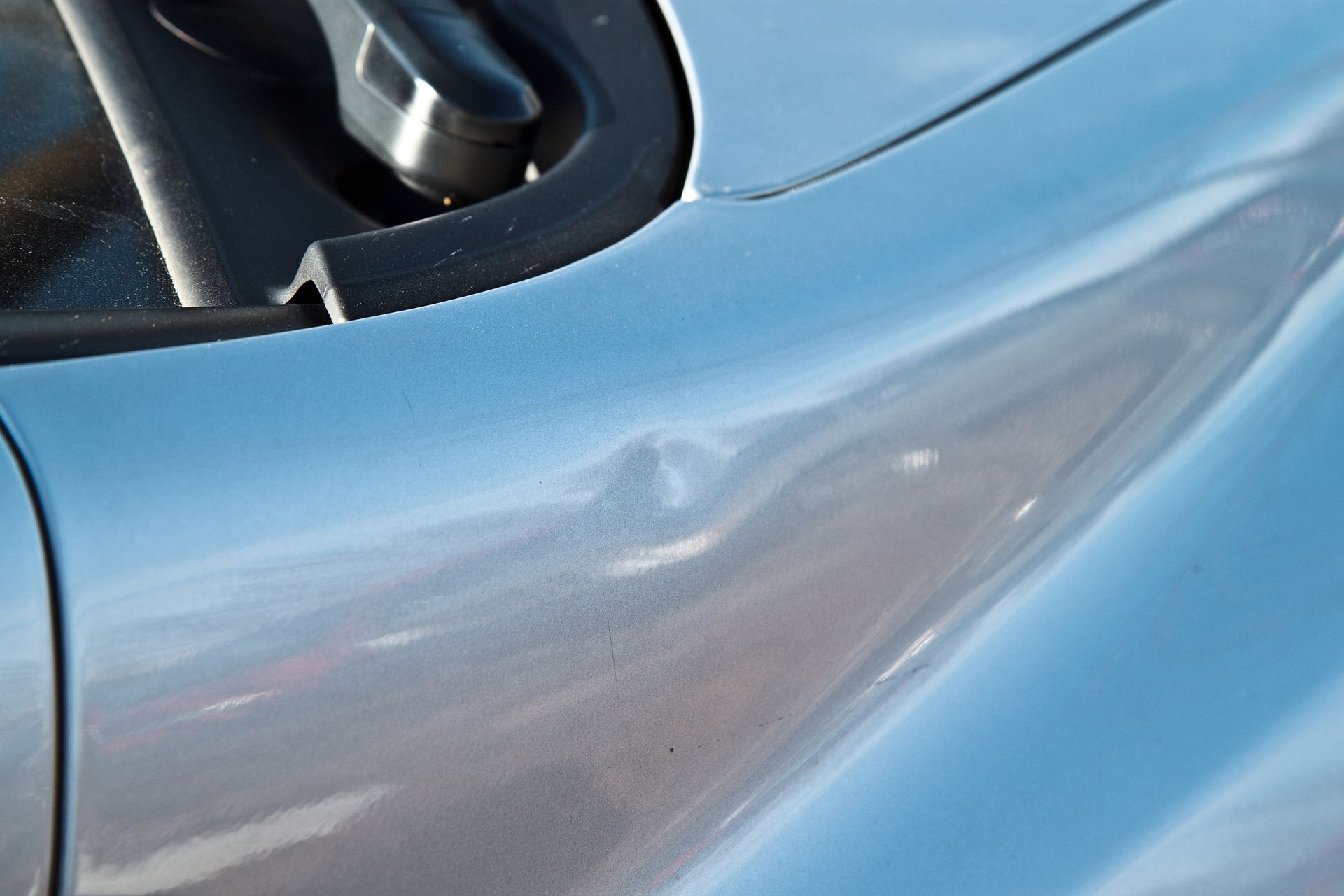
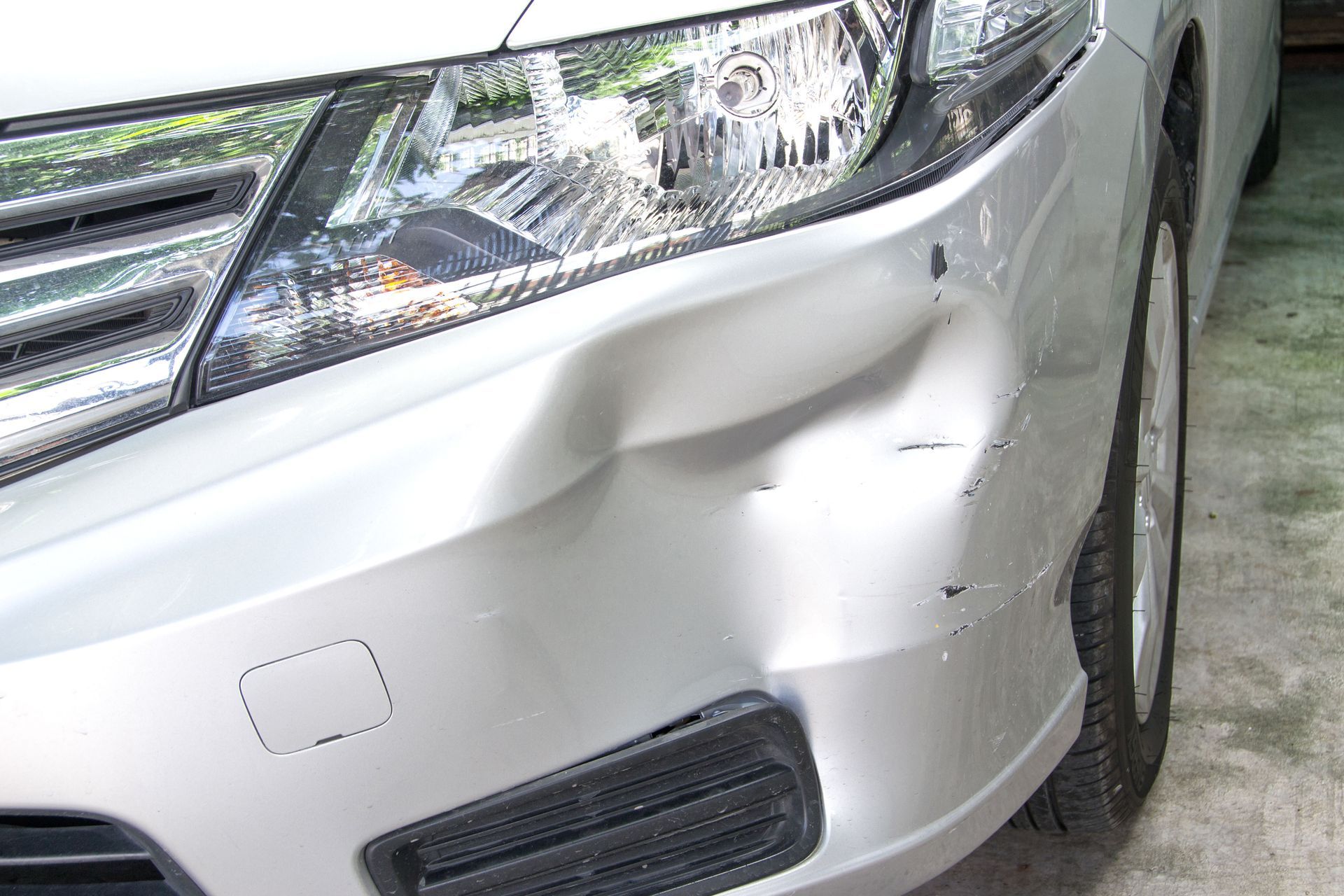
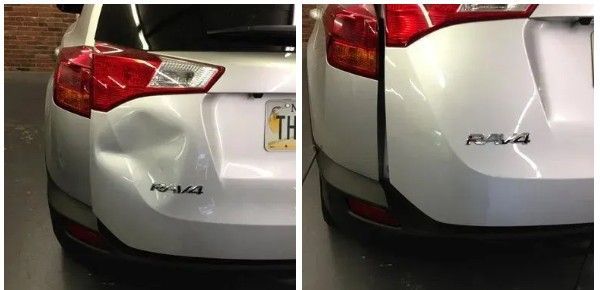
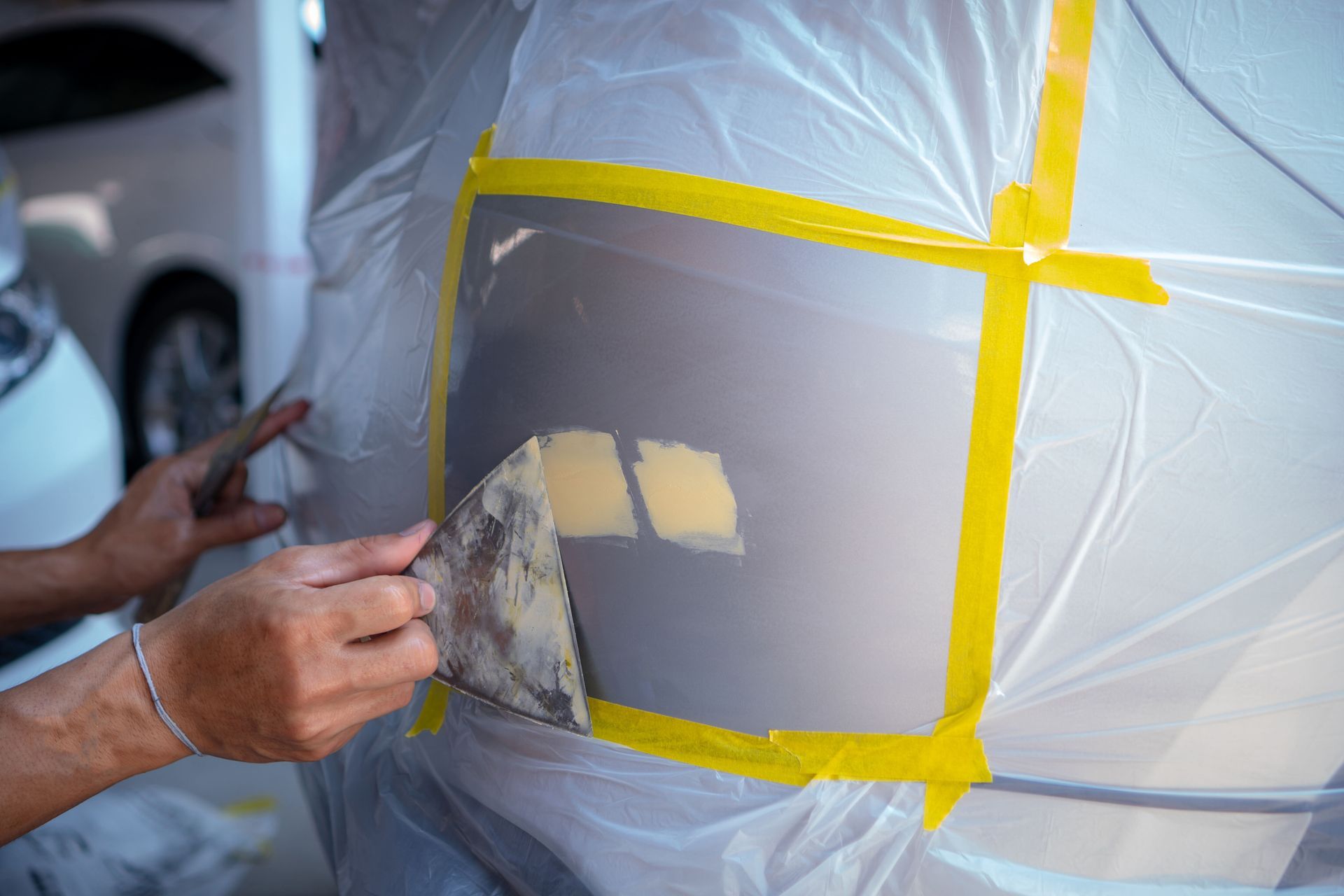
In the world of automotive maintenance and repair, paintless dent repair (PDR) has emerged as a revolutionary technique that offers car owners a faster, more cost-effective way to restore their vehicles after minor dents and dings. Unlike traditional auto body repair methods, which often require sanding, filling, and repainting damaged panels, PDR focuses on returning the vehicle's body to its original shape without disturbing the factory paint. This approach preserves the car's original finish, enhances its resale value, and minimizes the downtime associated with standard bodywork, making it an increasingly popular choice for drivers, dealerships, and insurance companies.
The Process of Paintless Dent Repair
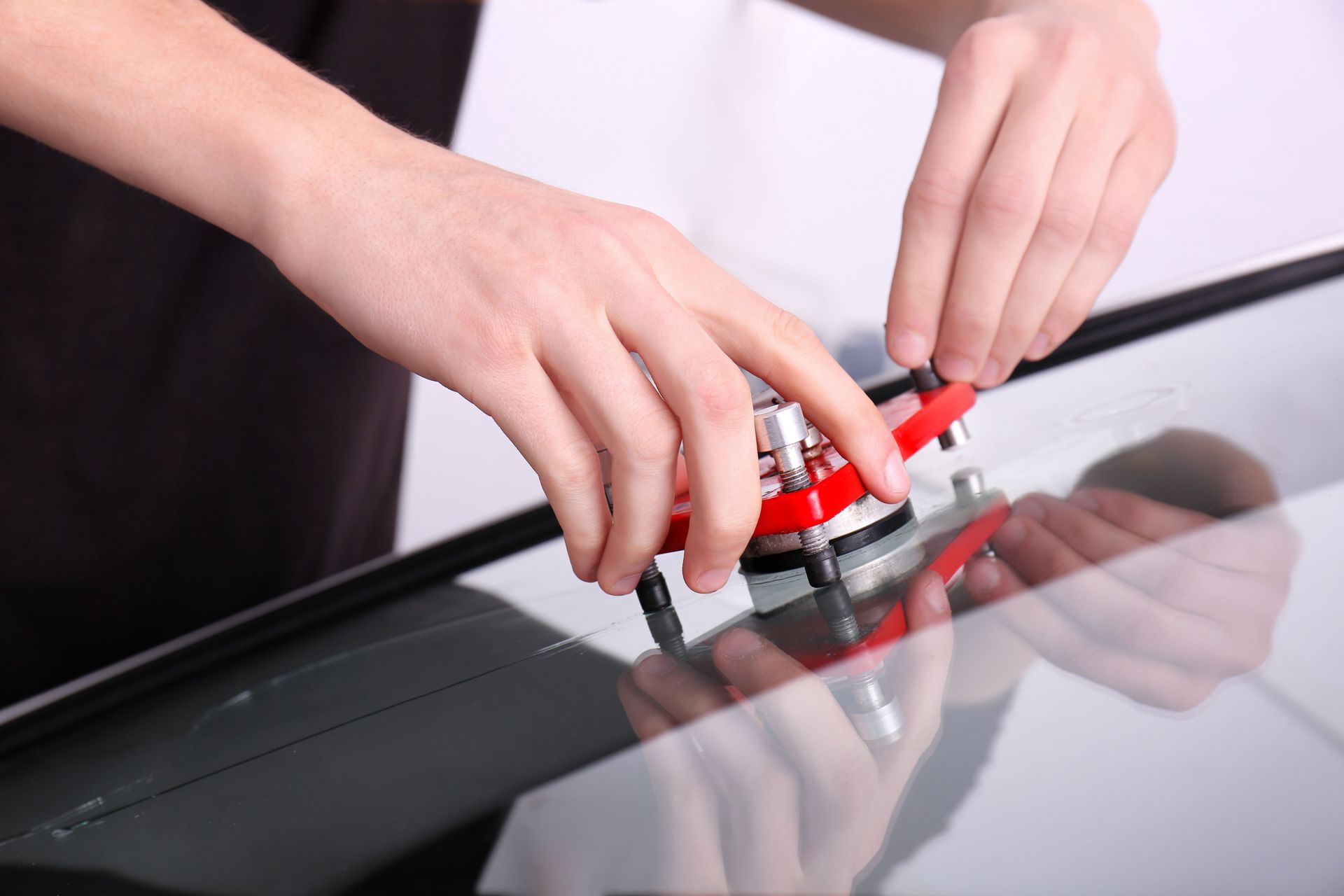
Paintless dent repair involves a meticulous, step-by-step process that highlights both skill and craftsmanship. First, the technician inspects the dent to determine whether PDR is a viable solution. Not all dents can be repaired using this method, particularly if the paint has been chipped or cracked or if the metal is extensively stretched. Once deemed suitable, the technician selects the appropriate tools, which often include metal rods, body picks, and specialized hammers designed to apply precise pressure.
Access to the backside of the panel is crucial, and in some cases, interior panels or trim pieces may need to be temporarily removed. The technician then carefully applies pressure to the dent, gradually coaxing the metal back into its original shape. This technique often requires hours of focused attention, as even small miscalculations can create high spots or uneven surfaces. Lighting and reflection boards are commonly used to monitor progress, allowing the technician to see subtle distortions in the metal.
Advantages of Paintless Dent Repair
One of the primary benefits of PDR is its convenience. Traditional bodywork can take days or even weeks, as panels must be sanded, primed, painted, and cured before the car is returned to its owner. In contrast, paintless dent repair is often completed in just a few hours for minor dents. This quick turnaround is particularly valuable for busy car owners who can't afford prolonged vehicle downtime. Insurance companies also appreciate the speed of PDR, as it allows claims to be settled more efficiently.
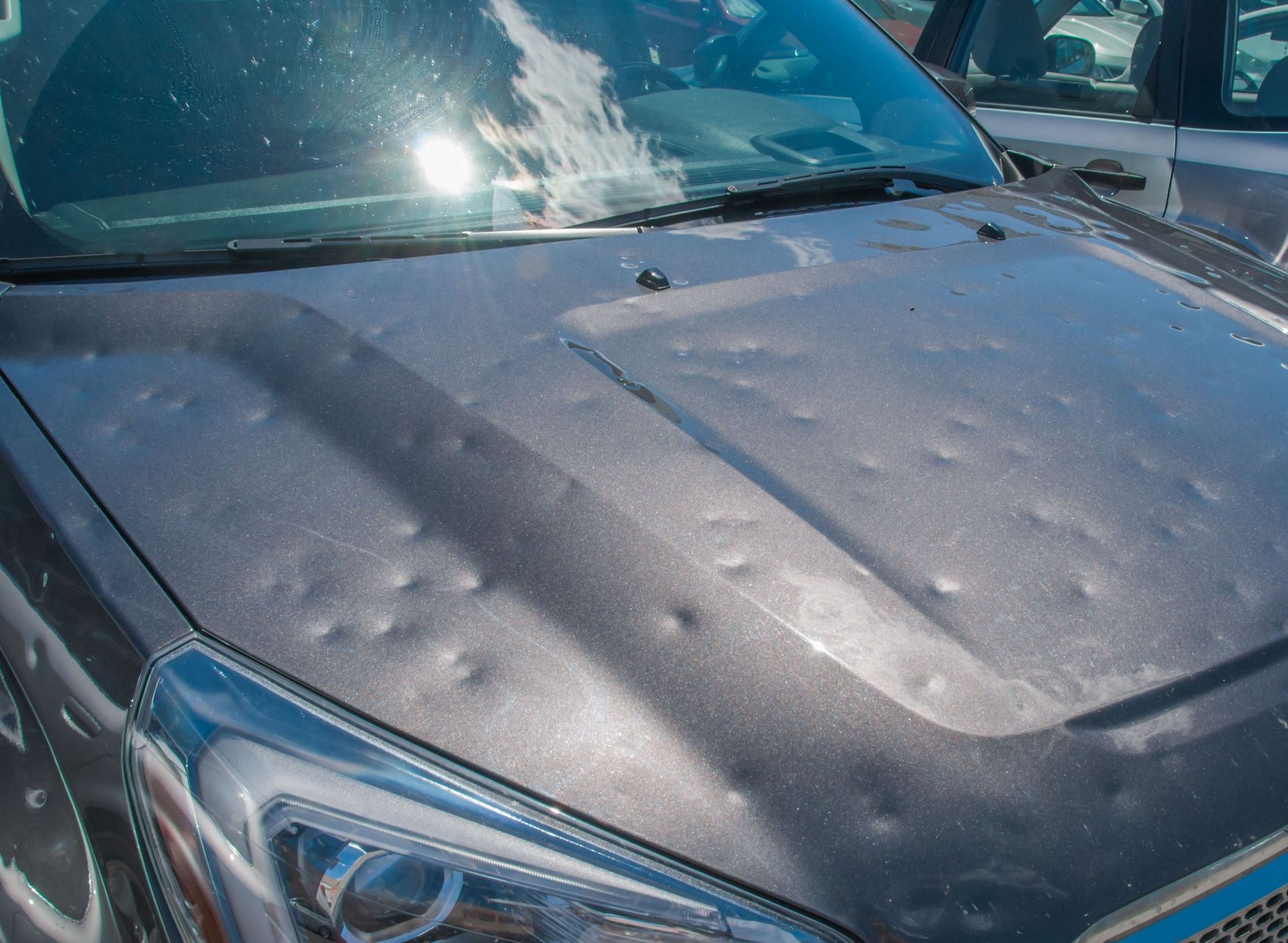
Cost-effectiveness is another major advantage. Without the need for paint, primer, fillers, or clear coats, labor and material costs are substantially reduced. According to Isaacs & Isaacs Personal Injury Lawyers, the typical driver in the United States could be involved in up to four car accidents over their lifetime. Minor dents from parking lot mishaps, hailstorms, or minor collisions can quickly add up in repair costs. PDR provides a financially sensible solution, saving hundreds—or even thousands—of dollars compared to conventional repairs.
Applications and Limitations
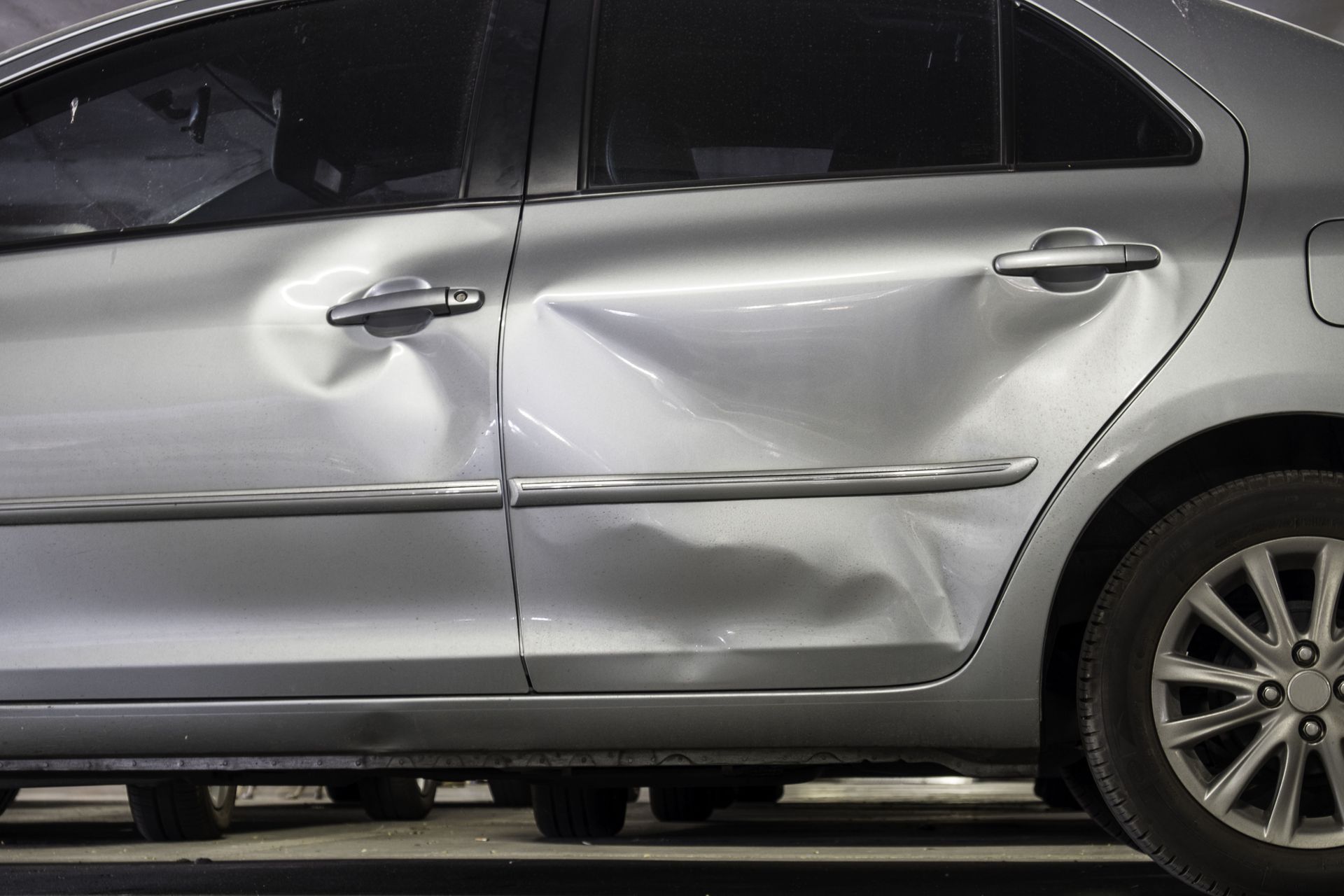
While PDR is highly effective for small dents, dings, and hail damage, it's not suitable for every type of vehicle damage. Dents with sharp creases, extensive paint damage, or located near panel edges often require traditional body shop interventions. Additionally, if the metal has been excessively stretched or the dent is too large, PDR may not be feasible. Despite these limitations, for the types of dents it can address, PDR offers a combination of efficiency, cost savings, and aesthetic preservation that traditional methods can't match.
Certain vehicle models and panel designs are more amenable to PDR than others. For example, aluminum panels—common in modern vehicles—are softer and more malleable, making them ideal candidates for this repair method. Similarly, luxury cars or vehicles with specialty paint finishes particularly benefit from PDR, as repainting can be costly and challenging to match perfectly.
The Future of Paintless Dent Repair
As automotive technology advances, so too does the field of paintless dent repair. Technicians now have access to more sophisticated tools, including LED lighting systems, specialized glue-pulling kits, and precision hammers that enhance the accuracy of repairs. Training programs and certifications have also improved, ensuring that technicians develop the skills necessary to handle even complex dents with precision.
Furthermore, insurance companies are increasingly partnering with PDR-certified providers to streamline claims processes. The quick turnaround times, reduced costs, and high-quality results make it an appealing solution for both insurers and vehicle owners. As awareness grows, it's likely that PDR will continue to expand in popularity, becoming the standard solution for minor automotive dents.
Paintless dent repair represents a significant advancement in automotive body repair technology. By leveraging the malleability of metal and precise, skilled techniques, PDR restores a vehicle's appearance without compromising the factory paint finish. The process is not only faster and more affordable than traditional methods but also environmentally responsible. While it may not be suitable for all types of damage, for minor dents and dings, paintless dent repair is a highly effective solution that preserves the value and aesthetic appeal of a vehicle. Call Dents Express today to get started.




Share On: