
How to Prevent Car Hail Damage
Understanding the Risk of Hail and Its Impact
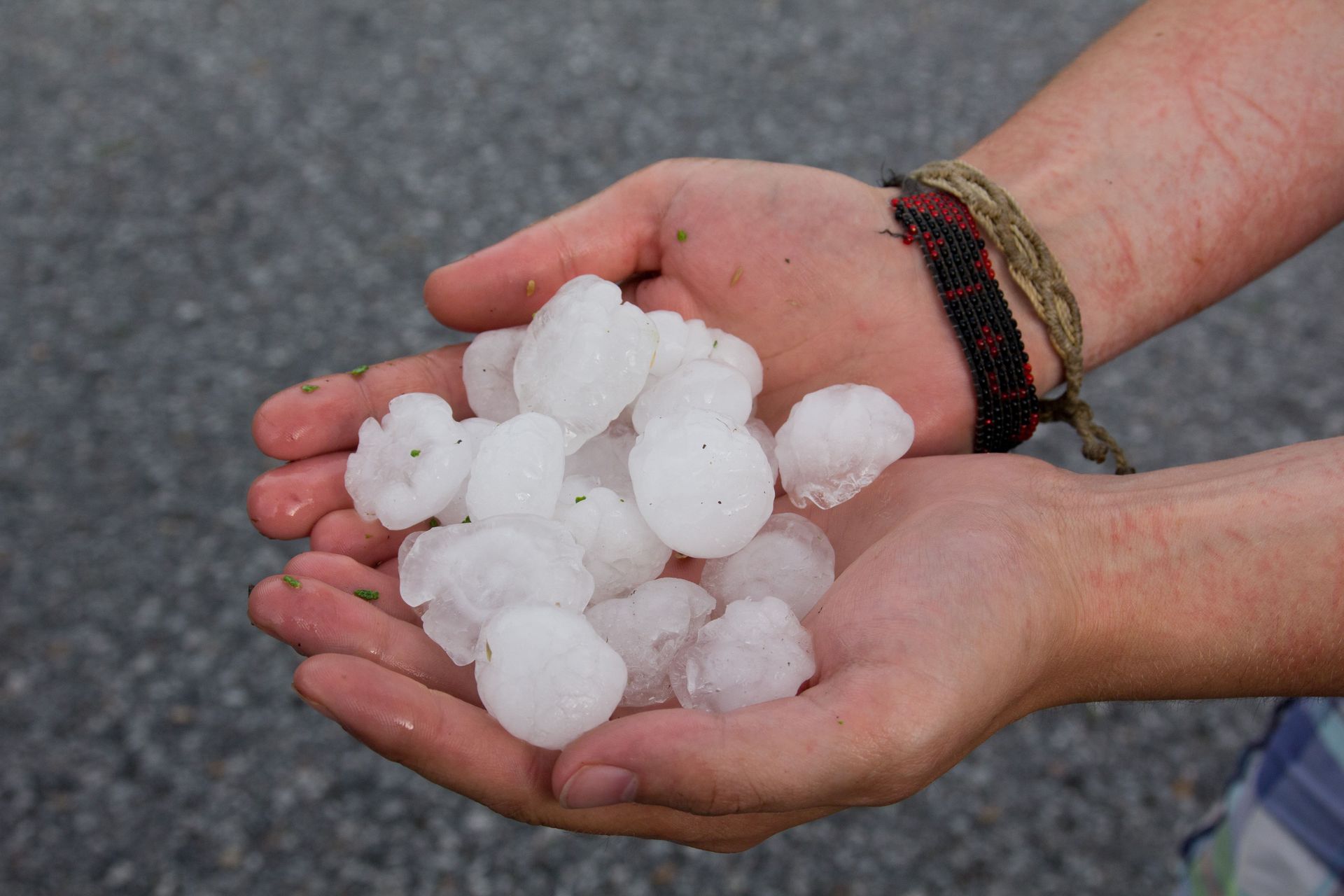
Hail is a form of solid precipitation made up of balls or irregular lumps of ice, known as hailstones. These stones form when updrafts in thunderstorms carry raindrops upward into extremely cold areas of the atmosphere. Once there, the raindrops freeze and accumulate additional layers of ice, growing in size. Eventually, the hailstones become too heavy to be supported by the storm's updrafts and fall to the ground. This meteorological phenomenon can occur with little warning, making it a formidable threat to unprotected vehicles.
The formation of hail is primarily dependent on strong thunderstorm updrafts capable of holding the initial ice particles aloft. These storms typically arise when warm, moist air at the ground surface rises and clashes with colder, dry air higher in the atmosphere. As a result, hailstones can vary significantly in size, ranging from small pellets to large, golf ball-sized chunks of ice. Understanding the formation process is essential for vehicle owners who want to anticipate potential hail events and minimize the threat of car hail damage.
The size and impact of hail can be unpredictable, making it crucial for car owners to be well-informed about this phenomenon. Notably, the level of vehicle damage correlates with the size and speed at which the hailstones fall. Smaller hailstones may cause minimal or no damage, while larger ones can dent body panels, shatter windows, and inflict costly damage. For car owners, understanding these risks can inform decisions on how best to protect their vehicles from such unpredictable weather events.
Monitoring Weather Patterns and High-Risk Regions
Hailstorms are likely to form under specific atmospheric conditions. Ideal conditions involve a unique interaction between warm surface air and cold, upper atmosphere air, creating a significant temperature contrast conducive to powerful updrafts. These strong air currents can carry precipitation upwards, allowing hailstones to accumulate additional layers of ice before they descend. Additionally, the presence of moisture and instability in the air can increase the severity and frequency of hailstorms.
In many cases, hailstorms are more frequent during certain times of the year, predominantly in late spring and early summer. This seasonal vulnerability is due in part to the increased instability within the atmosphere during this time. As warm, moist air rises through the cooler, dry upper atmosphere, intense thunderstorms capable of producing hail are more likely. Car owners should remain vigilant during these peak seasons, taking proactive measures when conditions are forecast that favor hail production to reduce susceptibility to car hail damage.
While hail can occur in many parts of the world, certain regions are more prone to hailstorms. These areas often suffer from frequent hail incidents due to their geographical and atmospheric conditions. In the United States, the Great Plains region is particularly susceptible. This area experiences a high density of thunderstorms that contribute to frequent and severe hail events. In addition to this region, many other locations across the globe experience frequent hail activity, including parts of Canada and the European Alps.
Tracking Industry Trends and Damage Severity
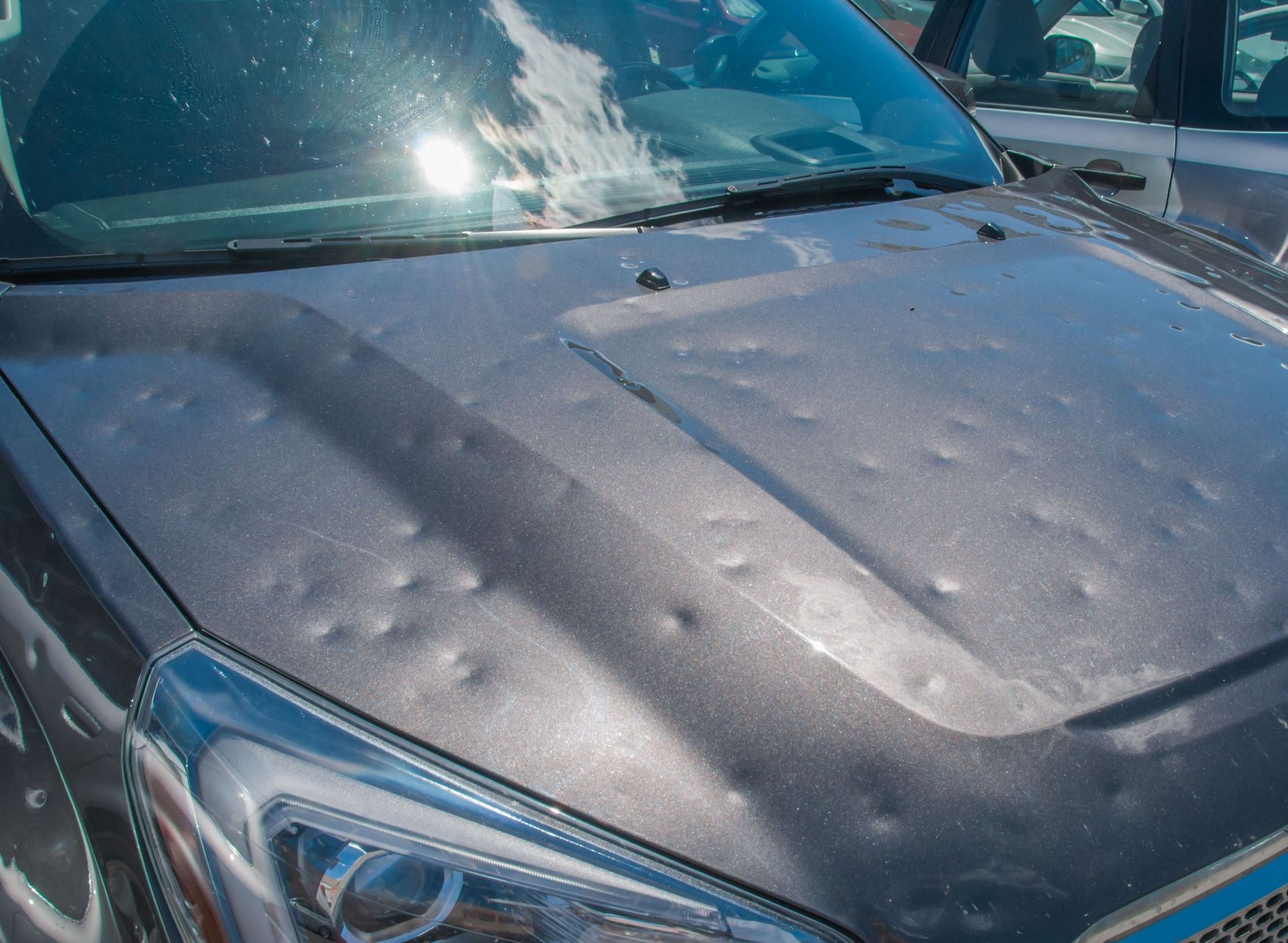
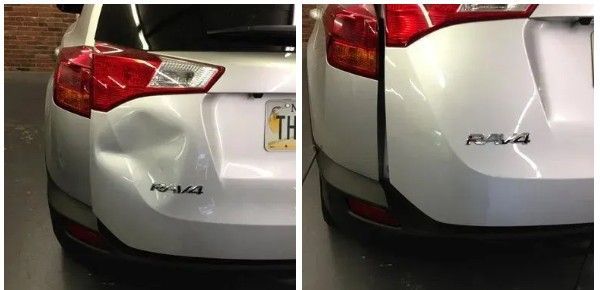
The severity of vehicle damage in a hailstorm largely depends on the size and density of the hailstones. Smaller hailstones may only cause minor surface damage, such as small dimples or scratches, which can often be repaired using paintless dent repair techniques. However, when hailstones grow larger, they have the potential to cause more destructive damage, including deep dents, shattered glass, and even punctured bodywork. The size threshold where hail becomes significantly damaging typically ranges from around an inch in diameter and larger.
In examining damage statistics, the implications of hail size become evident. According to DataIntello, the hail damage repair segment held the largest type share within the paintless dent repair market at 34.6% in 2025. These figures highlight the prevalence of hail damage, affirming its importance as a primary concern for car owners looking for ways of protecting against car hail damage. Vehicle-specific vulnerabilities, such as older or poorly maintained models, can further exacerbate the damage potential even with smaller hail.
The financial impact of hail damage can be extensive, creating a significant burden for car owners without adequate insurance. According to industry statistics, hail damage accounts for millions of dollars in claims annually across regions prone to such storms. Comprehensive auto insurance typically includes coverage for natural disasters like hail, although the specifics can vary between policies and providers. It is advisable for car owners to familiarize themselves with local repair facilities known for expertise in hail-related repair work.
Utilizing Early Warning Tools for Protection
One of the simplest yet most effective proactive measures for car owners is implementing weather alert applications on their mobile devices. These apps can provide real-time updates and forecasts specific to the user's location. By using geolocation and push notifications, users can receive immediate alerts about impending severe weather, including hailstorms. Such technology allows for timely preparation and quick decision-making, ensuring vehicles are safeguarded ahead of potential damage.
In addition to mobile apps, local weather channels remain a traditional yet dependable source of information regarding weather conditions. These channels provide regular broadcasts, offering timely forecasts and alerts relevant to specific regions. Meteorologists on these networks specialize in regional weather patterns, providing expert commentary and analysis of potential weather threats. Utilizing local channels ensures accurate and tailored weather awareness as part of a comprehensive strategy against car hail damage.
Another innovative approach for early warning involves using social media platforms, which serve as excellent tools for real-time, community-driven weather alerts. Platforms enable users to share information and updates about weather conditions. Meticulous adherence to National Weather Service reports is also a crucial step in ensuring comprehensive preparation. For hands-off monitoring, setting up automated weather alerts offers a streamlined approach to staying informed about pending hail conditions without needing constant manual input.
Evaluating Covered Parking Choices for Safety
One of the most effective parking solutions to prevent hail damage is the use of indoor parking facilities. Shelter from the elements is a primary defense, reducing the risk of dents, shattered windows, and chipped paint that often accompanies exposure to hail. Additionally, it maintains a controlled environment, safeguarding the car from other elements, such as sun damage or vandalism, which can further contribute to wear and tear. Indoor parking structures provide an excellent defense against car hail damage.
For those who do not have a personal indoor garage, public parking facilities can serve as effective alternatives. Many cities and towns offer municipal parking structures designed to accommodate short-term and long-term vehicle storage. Taking advantage of these resources can be a game-changer during unexpected hail events, as city protocols often enact temporary shelter procedures for community safety. Exploring nearby parking structures and understanding local options enhances preparedness for vehicle protection.
For car owners without access to traditional garages, carports and portable shelters offer practical solutions for hail protection. These structures are usually cost-effective and easy to install while still providing significant coverage and protection from hail. Carports are typically open-sided with a sturdy roof designed to deflect hailstones, keeping the vehicle beneath shielded. Available in permanent or mobile designs, they cater to a variety of needs and budgets, offering versatility and potential placement flexibility.
Protecting your vehicle from the elements requires a combination of awareness, early preparation, and the right parking solutions. By monitoring weather patterns, utilizing modern alert systems, and seeking covered shelter whenever severe storms threaten, you can take successful steps to avoid car hail damage. Taking these proactive measures saves time, reduces stress, and preserves the value of your vehicle over time. If your vehicle has already been impacted by a recent storm, contact Dents Express today for expert restoration services to get your car looking like new again.




Share On: