
Why Paintless Dent Repair Is the Best Choice
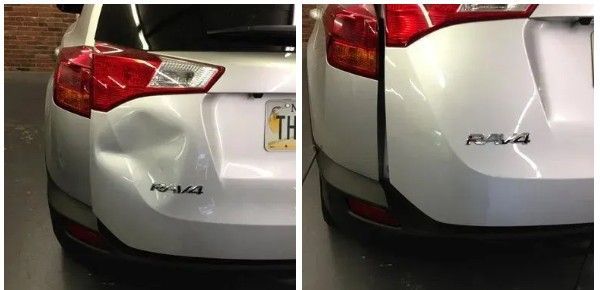
Vehicle ownership brings immense utility and daily freedom, but maintaining a car's pristine appearance requires constant vigilance. Dings, hail marks, and parking lot impact damage occur unexpectedly, leaving vehicle owners to decide how best to restore their exterior panels. For decades, traditional auto body work served as the primary option, relying on labor-intensive panel sanding, synthetic body fillers, and chemical repainting. However, modern automotive care has evolved significantly, making paintless dent repair the preferred alternative for standard exterior damage. This innovative, non-invasive methodology focuses on restoring original metal shapes without disturbing factory paint finishes. By utilizing specialized hand tools and precise mechanical pressure, skilled technicians remove unsightly surface imperfections efficiently. Modern car owners choose paintless dent repair because it provides an eco-friendly, cost-effective, and remarkably fast solution that preserves long-term vehicle equity, maintaining original factory finishes while delivering flawless visual outcomes.
Understanding the Mechanics and Versatility of PDR
The foundational concepts behind paintless dent repair originated in mid-twentieth-century European automotive manufacturing facilities. Factory workers realized that minor metal surface imperfections occurring along assembly lines could be carefully massaged out from behind the panel before final vehicle delivery, avoiding costly paint re-application. Over subsequent decades, this specialized trade expanded globally, evolving into a sophisticated repair discipline. Today, technicians utilize specialized stainless steel access rods, fine-pressured whale tails, adjustable LED reflective boards, and precision polymer knockdowns to gently reshape damaged metal panels.
The underlying science of PDR relies on understanding metal memory and elastic deformation limits. Automotive body panels possess an inherent structural memory; when pressure is systematically applied from behind the dent, the stressed metal naturally seeks to return to its original factory form. Technicians use high-intensity light boards to track the exact topography of the damaged panel, making micro-adjustments with surgical precision. Because this process avoids sanding down metal or applying heavy bondo fillers, the panel retains its structural integrity and factory rust-inhibiting e-coat layers.
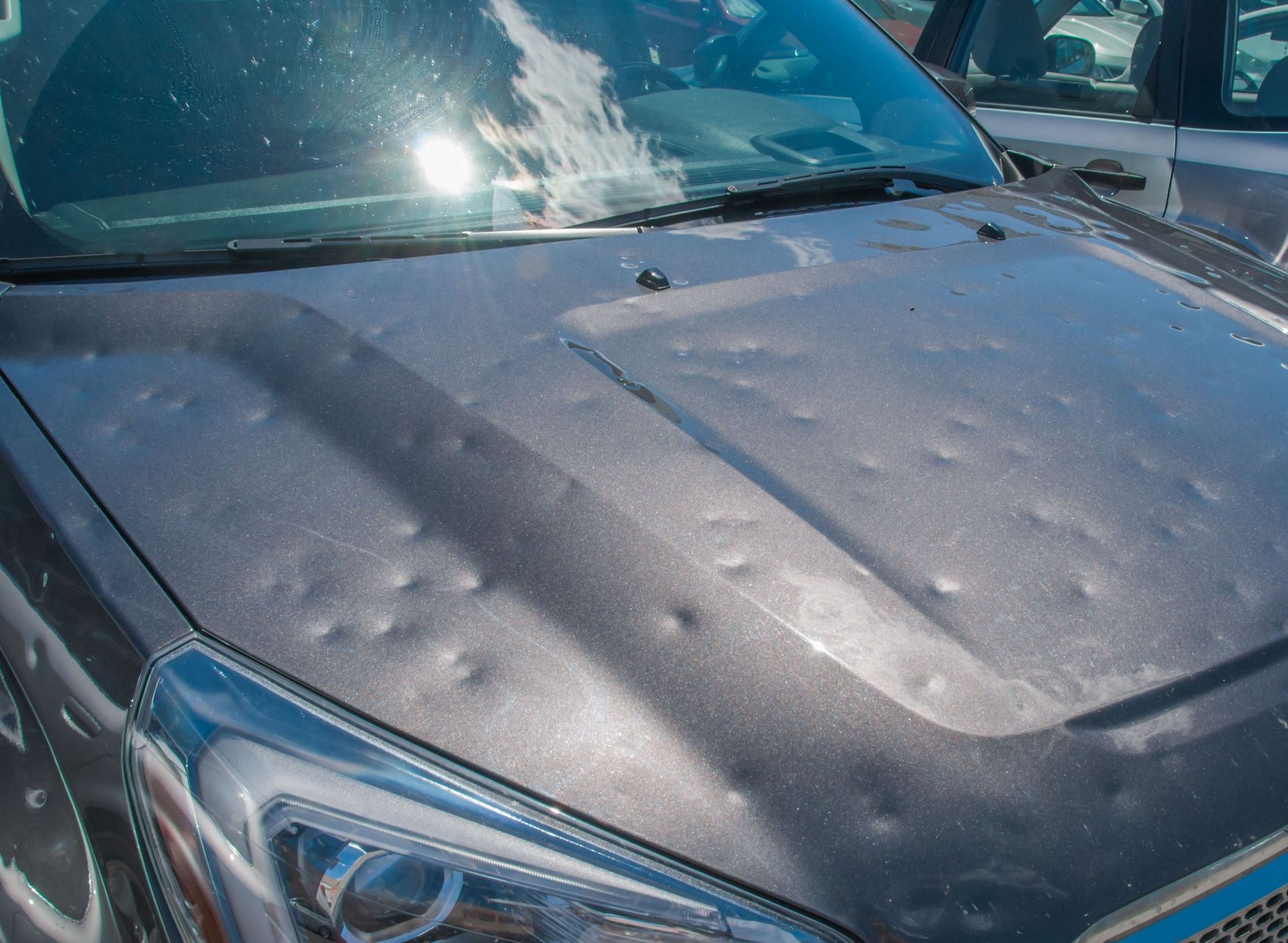
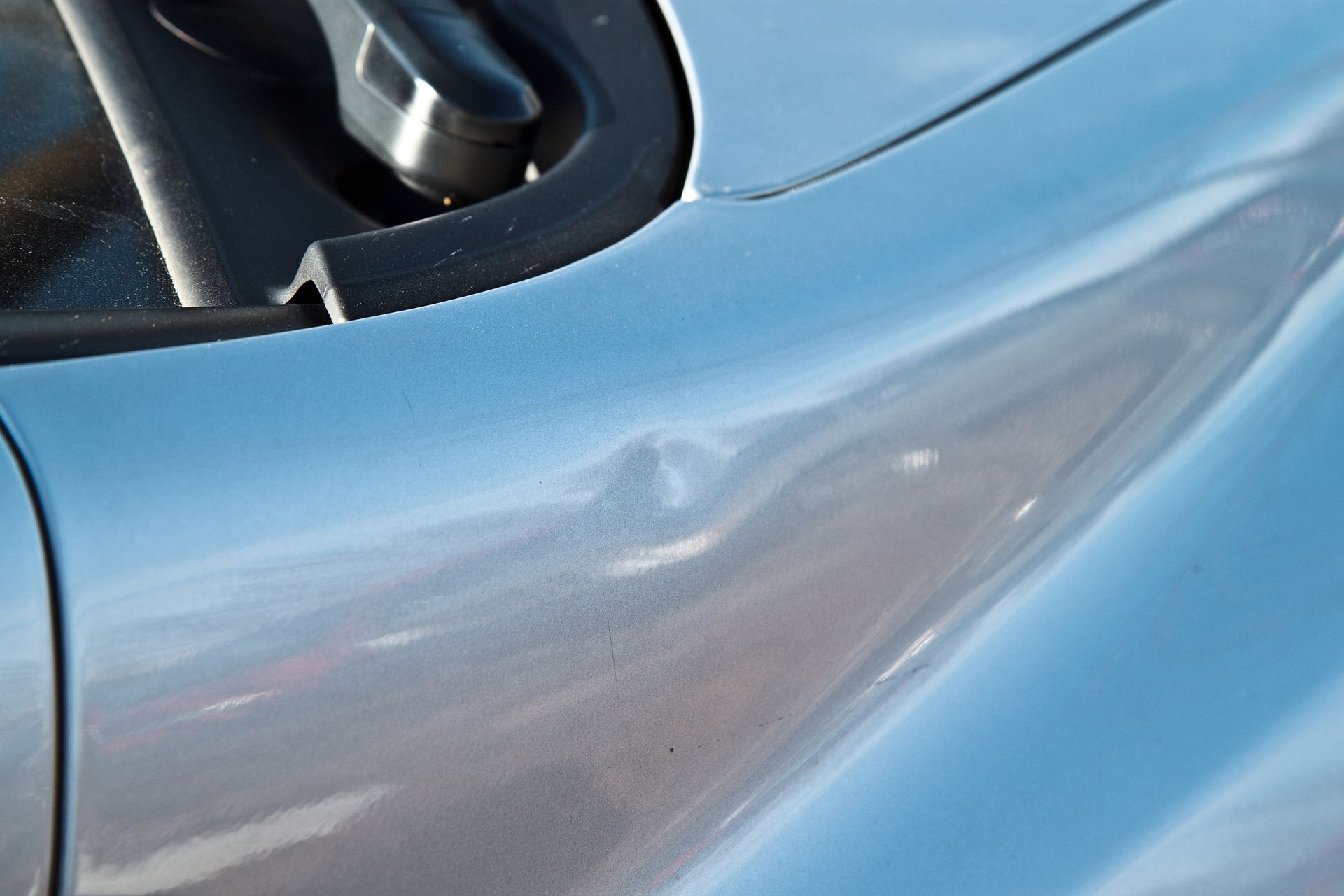
While highly effective, PDR relies on intact surface paint and accessible panel interiors. The technique excels at erasing parking lot door dings, medium-sized creases, and extensive storm hail damage. According to Capital One, paintless dent repair can fix between 80% and 90% of typical dents found on modern consumer vehicles. This impressive coverage rate means that the vast majority of everyday cosmetic road mishaps can be seamlessly rectified without resorting to invasive body shop procedures.
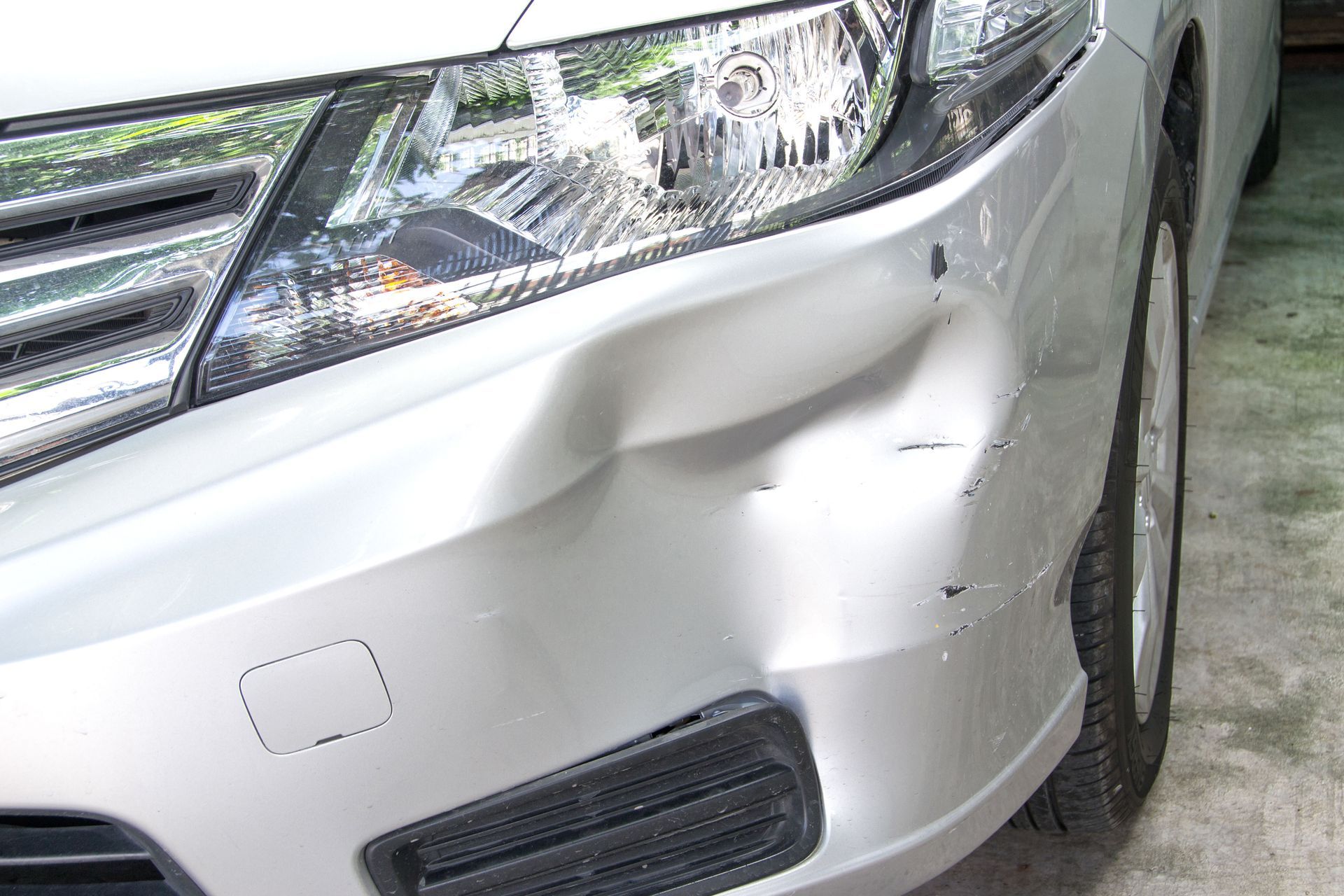
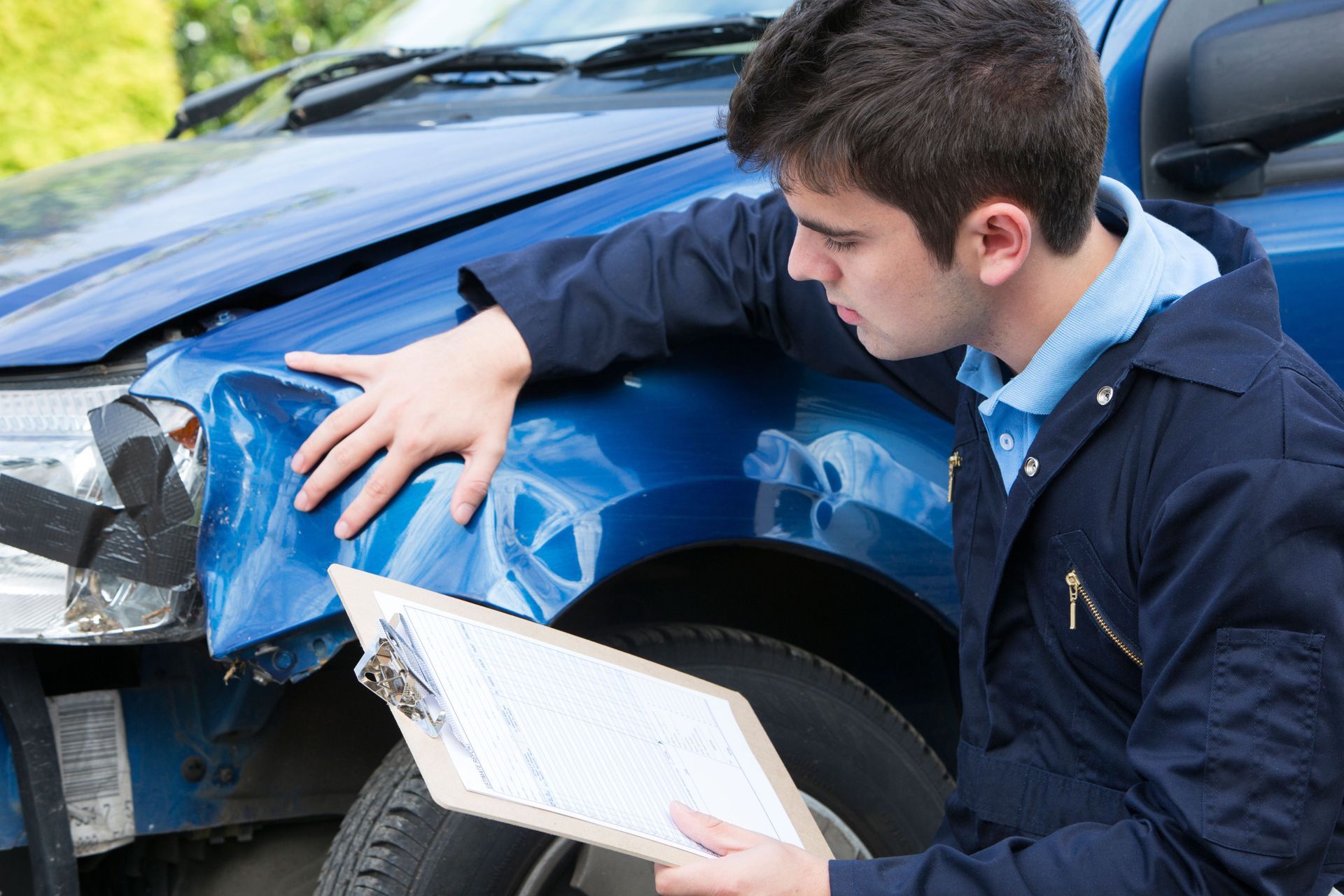
However, certain damage profiles fall outside the scope of standard PDR. If an impact stretches the metal beyond its elastic limit, or if the clear coat and underlying paint layers are severely cracked or scraped away, traditional body shop refinishing becomes necessary. Similarly, deep dents positioned along reinforced double-walled panel edges or modern composite plastic bumpers may offer limited tool access. An initial evaluation by a qualified technician determines whether paintless dent repair offers the optimal path forward for specific vehicle damage.
Core Advantages Over Traditional Body Shop Repairs
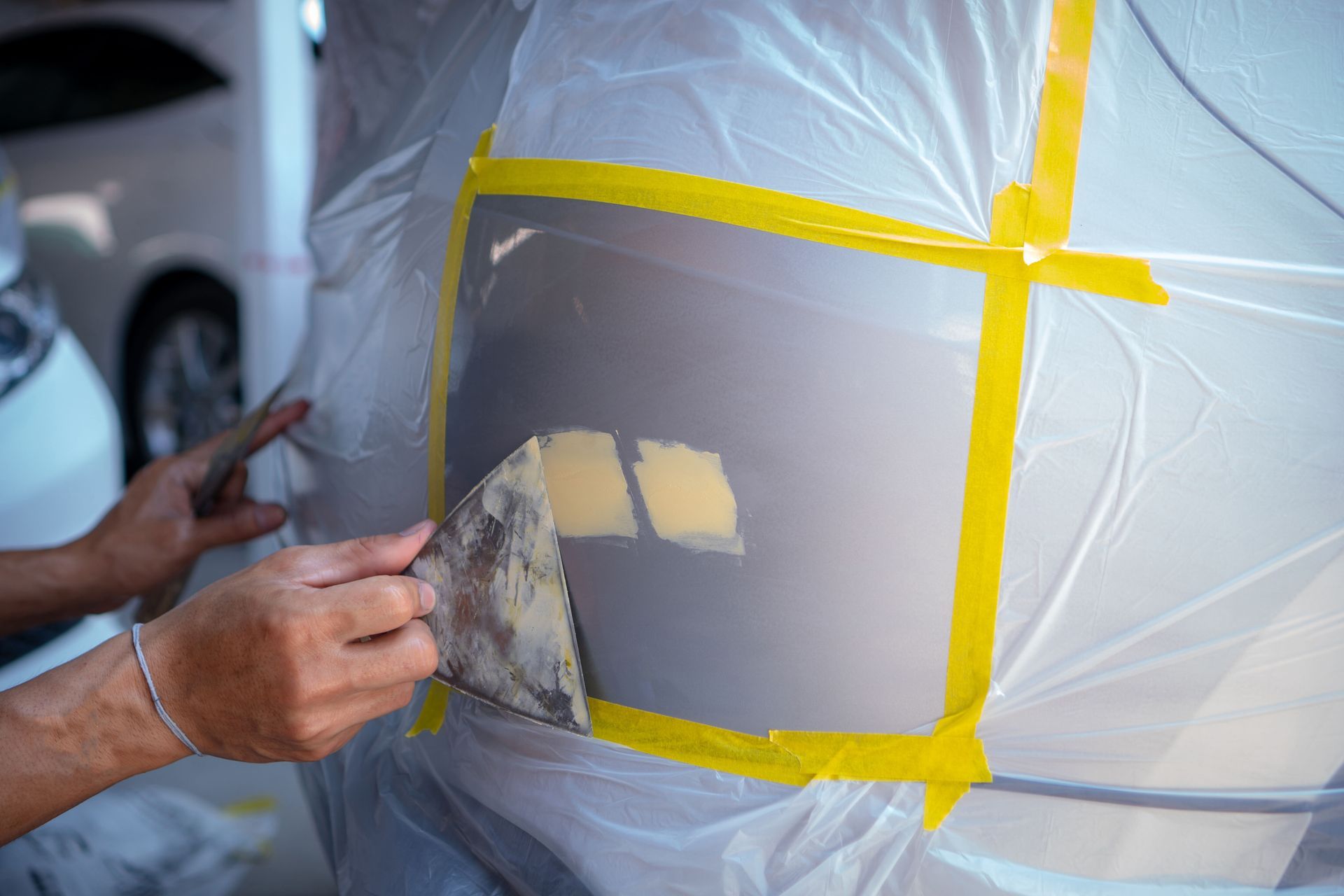
The economic advantages of choosing paintless dent repair over traditional body shop methods are substantial. Standard body work requires expensive consumables, including polyester fillers, primers, custom-blended base coats, and protective clear coats, alongside significant manual labor. Because PDR eliminates these costly chemical supplies and reduces overall repair hours, total repair bills are consistently lower. Vehicle owners enjoy professional restoration at a fraction of standard autobody rates, making PDR an accessible option for out-of-pocket expenses or insurance claims.
Time savings present another compelling benefit for busy drivers. Traditional auto body repairs often keep vehicles locked in a shop for several days or weeks while paint layers dry and cure. In contrast, standard paintless dent repair procedures are frequently completed within a single afternoon or just a few hours. This rapid turnaround minimizes daily schedule disruptions and eliminates the need for expensive rental cars.
Preserving the original factory paint finish is perhaps the most significant long-term benefit of PDR. Factory paint applied in automated assembly plants undergoes specialized high-temperature curing processes that aftermarket body shops simply cannot replicate. Maintaining original paint protects the vehicle against premature peeling, color fading, and environmental corrosion. Additionally, keeping original paint intact protects long-term vehicle resale value, as used car buyers and dealerships prioritize original factory finishes.
In an era of increasing environmental awareness, PDR provides an exceptionally green alternative to conventional auto repairs. Traditional auto body shops emit volatile organic compounds through solvent paints, clear coats, and sanding dust. By entirely removing chemical paints and synthetic fillers from the restoration process, PDR produces zero hazardous chemical runoff and air pollution. This non-invasive approach conserves natural resources and eliminates industrial chemical waste, offering an eco-conscious repair choice for modern vehicle owners.
From an insurance perspective, major carriers favor PDR for handling cosmetic damage claims, particularly following severe regional hailstorms. Insurance adjusters appreciate the lower repair costs, accelerated claims processing, and preserved vehicle valuations associated with paintless dent repair. Consequently, claims involving PDR move smoothly through approval channels, often resulting in lower deductibles or zero out-of-pocket expenses for vehicle policyholders.
Debunking Common Misconceptions
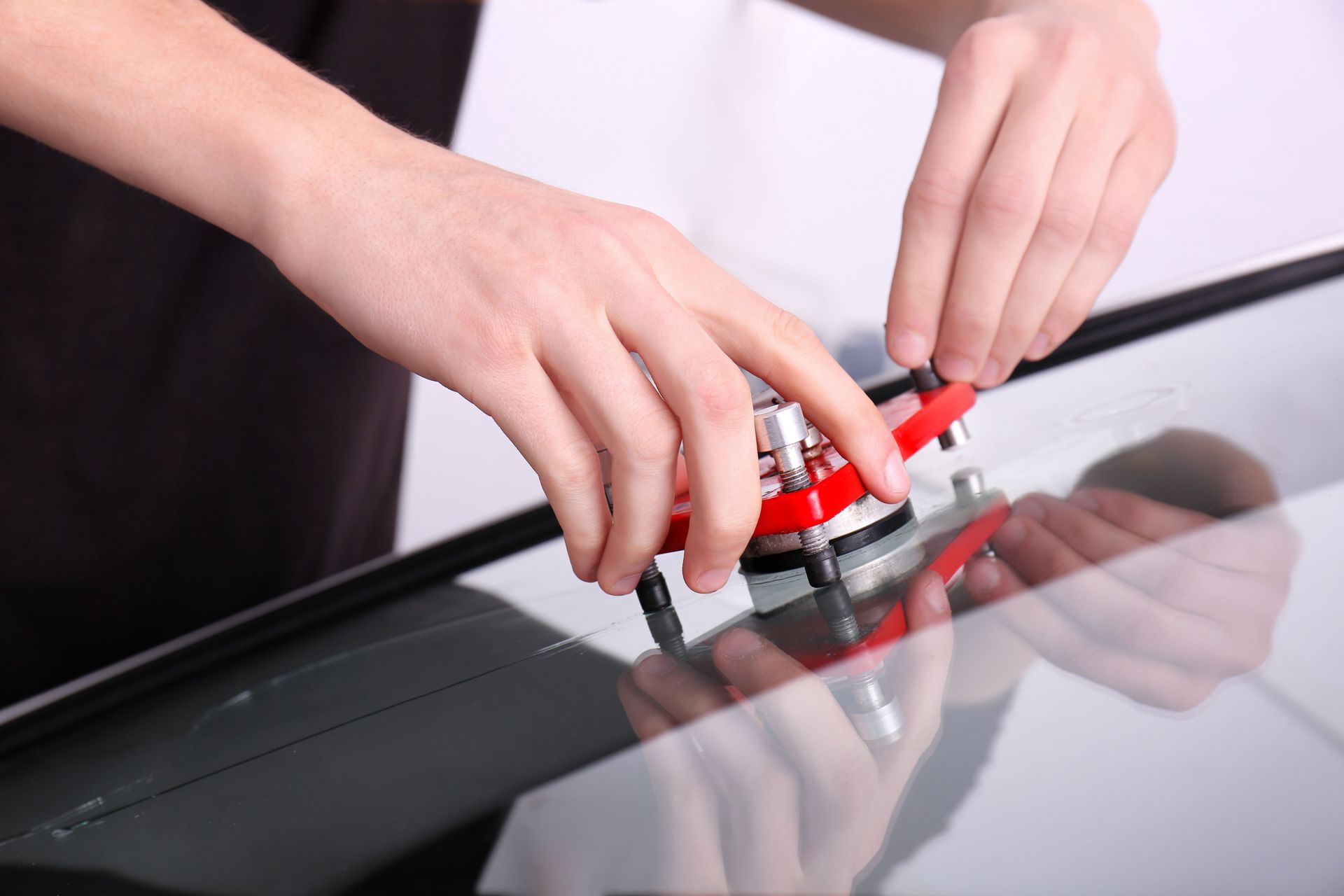
Despite its growing popularity, several misconceptions persist regarding paintless dent repair. One common myth is that PDR works only on tiny, shallow dings. In reality, master technicians equipped with modern hot-glue pulling systems and specialized leverage rods routinely fix large, complex panel deformations spanning several inches, provided the paint surface remains intact and flexible.
Another dangerous misconception is that PDR can be easily accomplished at home using inexpensive online repair kits. DIY attempts frequently result in over-pushed metal high spots, cracked clear coats, and permanently stretched panels that require expensive body shop intervention to fix. Professional PDR demands years of hands-on practice, precise spatial awareness, and specialized tool handling.
Finally, some vehicle owners mistakenly worry that PDR offers only temporary results. Because PDR physically restores the vehicle's original metal memory without synthetic fillers or temporary patches, the completed repair is completely permanent. Once massaged back into place, the metal remains structurally stable for the remaining lifespan of the vehicle, unaffected by weather changes or aging.
Real-World Applications and Future Innovations
The versatility of PDR shines across diverse automotive sectors. Following severe hailstorms, specialized mobile PDR units deploy to restore hundreds of pocked vehicles quickly, allowing owners to reclaim their cars within days rather than waiting months for body shop backlogs.
For classic car collectors and luxury vehicle owners, preserving original paint is paramount. Applying aftermarket paint to a rare vintage muscle car or high-end exotic sports car significantly degrades its historical authenticity and collector value. Using PDR allows enthusiasts to erase minor garage dings while keeping original factory paint entirely intact. Similarly, commercial fleet managers rely on paintless dent repair to keep delivery vans, rental cars, and company vehicles looking pristine with minimal operational downtime.
The future of PDR continues to brighten through technological innovation. Advanced LED line boards, digital surface scanning, and lightweight carbon-fiber access tools allow technicians to handle complex high-strength steel and aluminum panels with unmatched precision. Ongoing professional training programs guarantee that PDR specialists remain ahead of modern automotive design trends.
Choosing paintless dent repair delivers the ultimate balance of quality, convenience, speed, and environmental responsibility for modern vehicle upkeep. By eliminating the need for invasive panel sanding, synthetic fillers, and aftermarket repainting, PDR preserves your vehicle's original factory finish and protects its long-term resale market value. Whether you need to fix a frustrating parking lot door ding or recover from a severe regional hailstorm, non-invasive dent removal offers superior visual results in a fraction of the time required by traditional body shops. Protect your automotive investment with fast, reliable, and professional panel restoration. When you demand flawless, factory-quality dent removal for your vehicle, trust the experienced specialists at Dents Express.




Share On: