
What Is Paintless Dent Repair and How Does It Work?
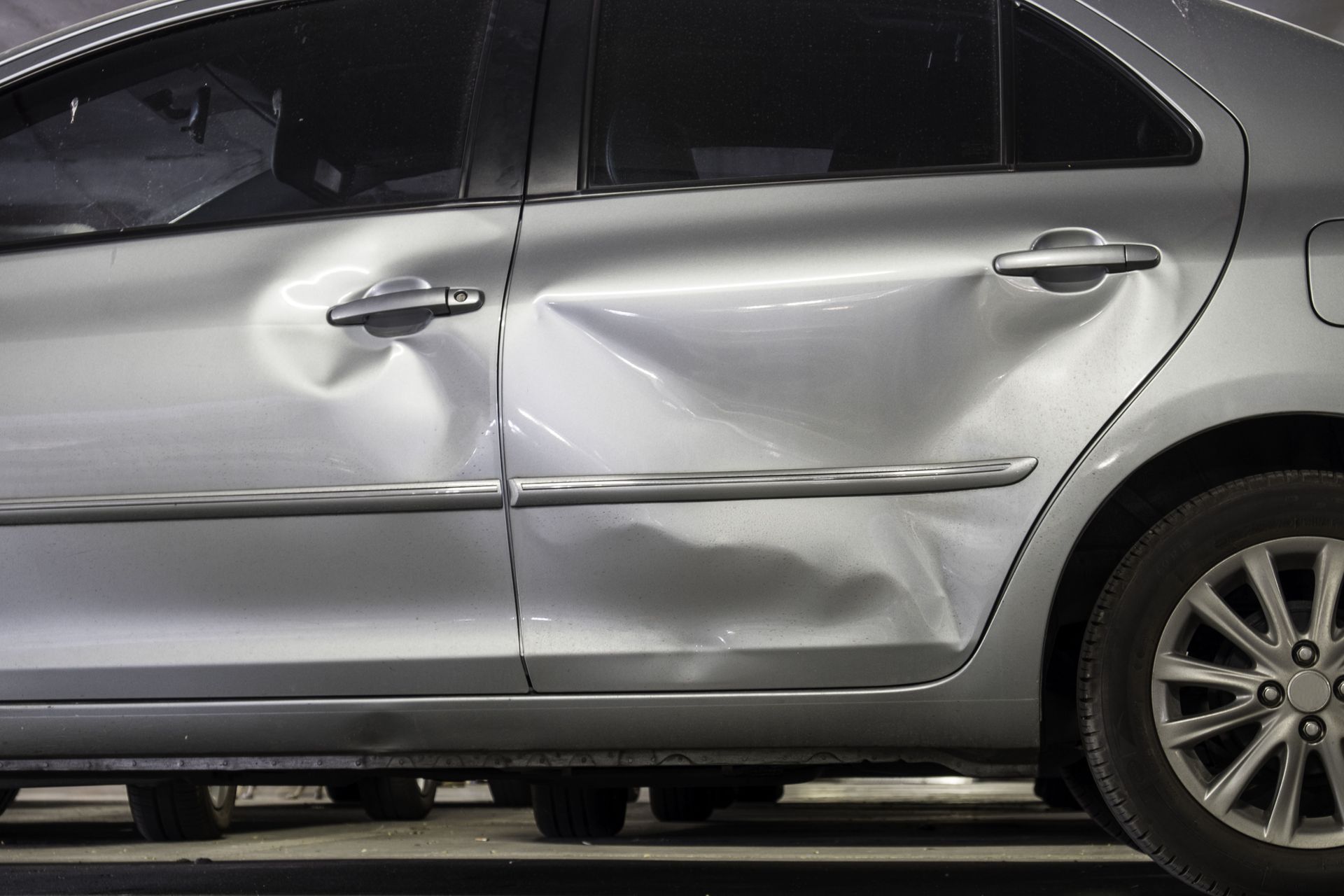
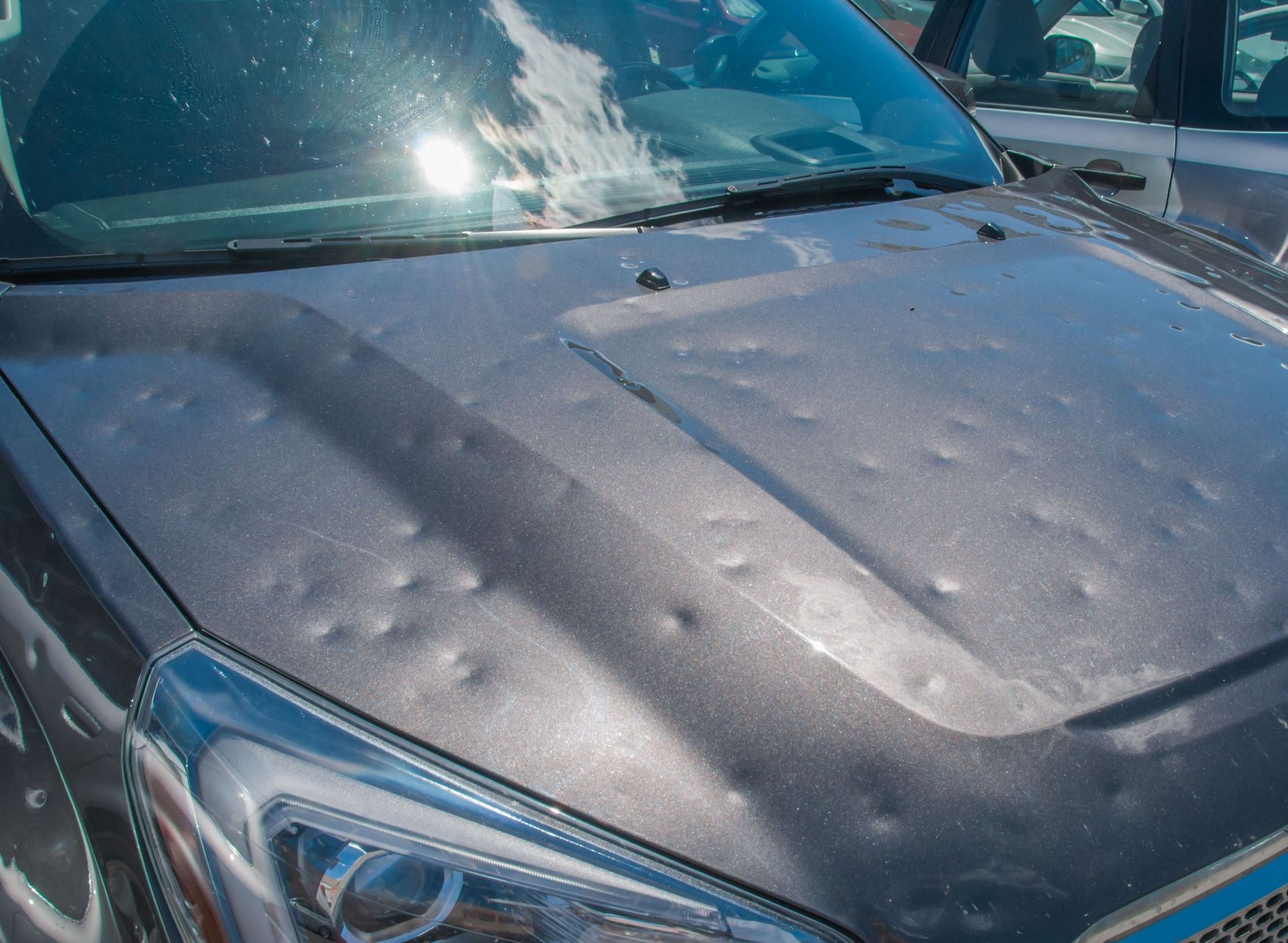
Dents and dings can happen quickly, whether they come from hail, parking lot accidents, falling debris, or minor bumps. Even when the damage does not affect how a vehicle drives, it can still reduce the vehicle’s appearance and overall value. Many drivers want a repair option that restores the surface without unnecessary sanding, repainting, or body filler. That is where paintless dent repair can be a helpful solution for certain types of vehicle damage.
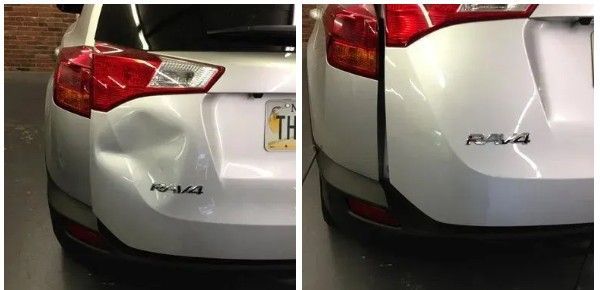
Paintless dent repair, often called PDR, is a specialized process used to restore dents while preserving the vehicle’s original paint finish. Instead of replacing panels or refinishing large areas, trained technicians use careful pressure and specialized tools to reshape the metal from behind or above the damaged area. When performed properly, paintless dent repairs can provide a clean, efficient, and effective way to improve a vehicle’s appearance without many of the steps involved in traditional auto body repair.
Understanding What Paintless Dent Repair Involves
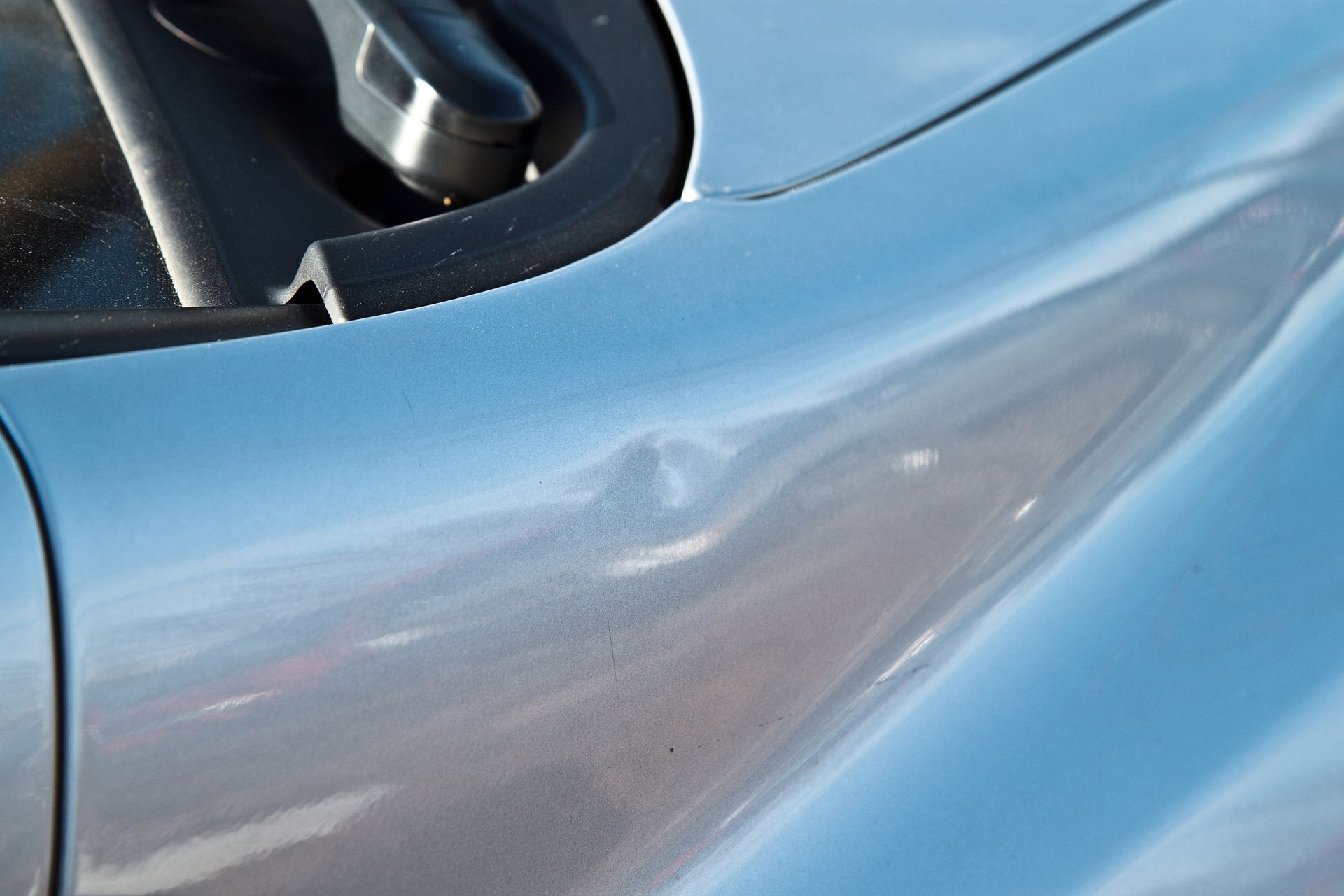
Paintless dent repair is designed for dents where the paint surface is still intact. If the paint has not cracked, chipped, or separated from the panel, the dent may be a good candidate for this method. The goal is to gently move the metal back into its original position without disturbing the factory finish. This makes the process especially valuable for hail damage, door dings, small creases, and minor dents caused by everyday vehicle use. It can often address cosmetic damage that would otherwise require more extensive repairs, helping vehicle owners maintain the appearance of their cars.
The process requires patience, skill, and an understanding of how metal responds to pressure. Technicians study the dent’s depth, shape, location, and access points before deciding how to approach the repair. Some dents can be reached from behind the panel, while others may require special pulling techniques from the outside. Because every dent is different, paintless dent repairs rely on careful assessment rather than a one-size-fits-all method. This attention to detail helps technicians determine the most effective repair strategy while minimizing the risk of affecting surrounding areas of the vehicle.
Inspecting Whether the Dent Qualifies
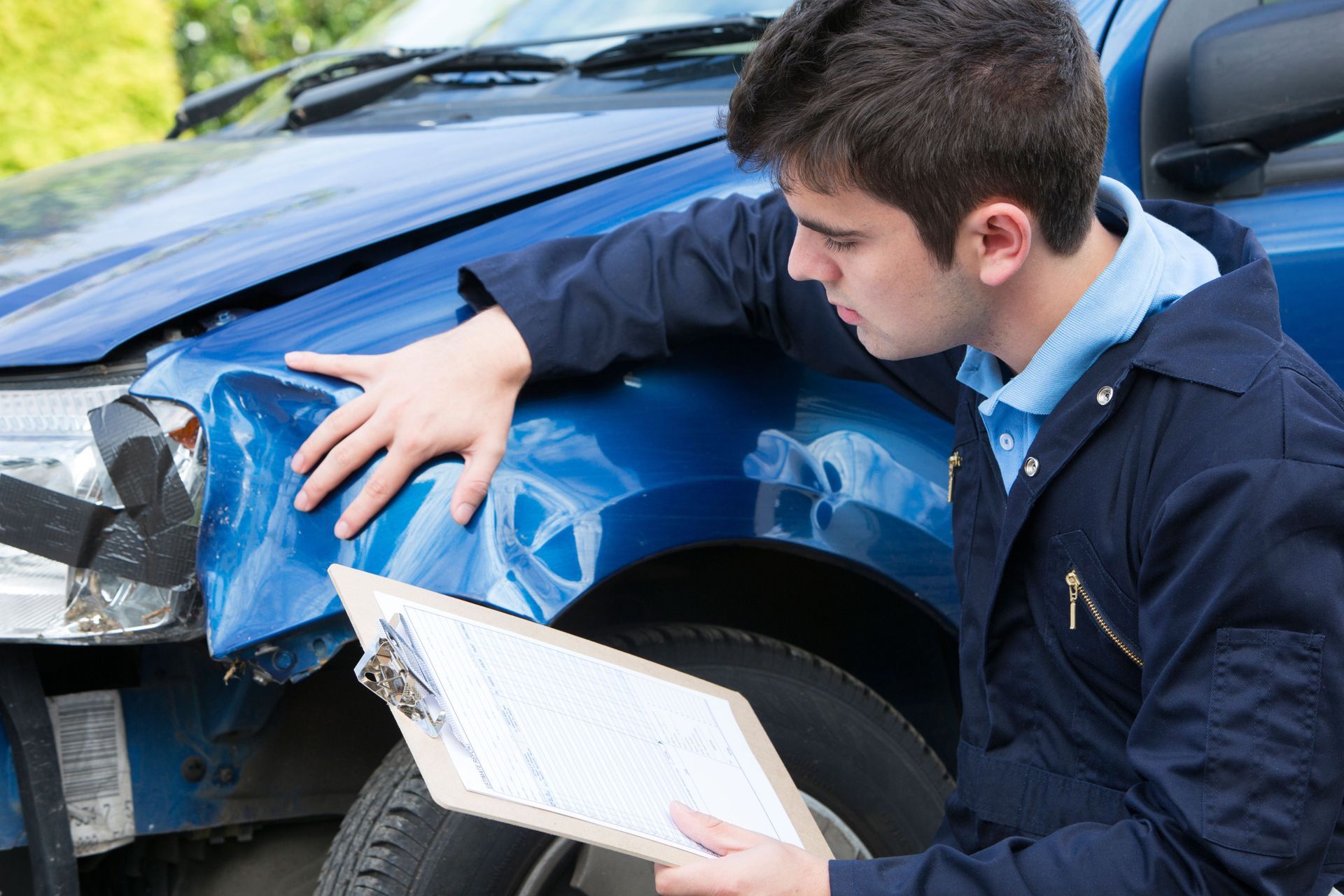
Before work begins, the technician inspects the damaged area to determine whether paintless dent repair is appropriate. Factors such as dent size, dent depth, paint condition, panel material, and location all matter. A shallow dent on a flexible panel is often easier to repair than a sharp crease along an edge or body line. If the metal has been stretched too far or if the paint is damaged, traditional repair methods may be necessary. The inspection also helps identify any hidden challenges that could affect the repair process or influence the final results of the restoration.
Lighting is also important during the inspection process. Technicians often use reflection boards or special lights to read the shape of the dent more clearly. These tools reveal high and low spots that may not be obvious under normal lighting. A detailed inspection helps the technician understand how the metal has moved and how it should be corrected. This step helps set realistic expectations before any repair work begins. It also allows technicians to explain the repair approach and provide a clearer understanding of what vehicle owners can expect.
Accessing the Back of the Panel
When possible, the technician reaches the back side of the damaged panel. This may involve removing interior trim pieces, taillights, wheel well liners, or other components to create safe access. Once the technician can reach the dent from behind, specialized rods and tools are used to apply controlled pressure. The goal is not to force the dent out all at once, but to make small, precise movements that gradually restore the panel’s shape.
This stage is one of the reasons experience matters. Applying too much pressure in the wrong area can create high spots or make the surface uneven. Skilled technicians work slowly and use the reflection of light to guide each movement. With proper access and technique, paintless dent repairs can restore many dents while keeping the original paint and panel structure intact.
Reshaping the Metal With Precision
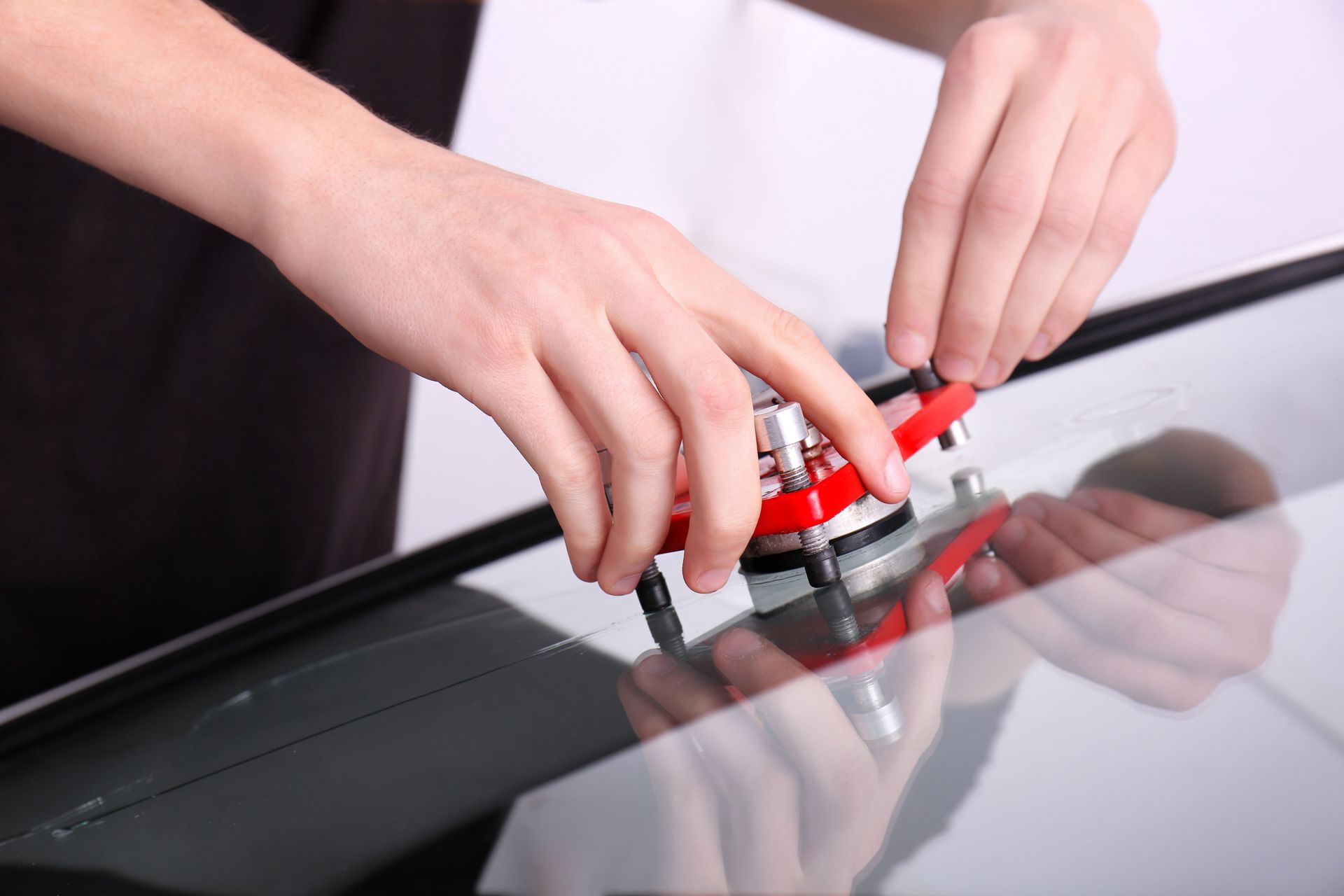
During the repair, the technician carefully massages the metal back into place. This may involve pushing from behind the panel, tapping down high spots, or using glue-pulling methods when the back of the panel cannot be reached. The technician constantly checks the reflection across the surface to see how the metal is responding. Small adjustments continue until the dent blends with the surrounding panel.
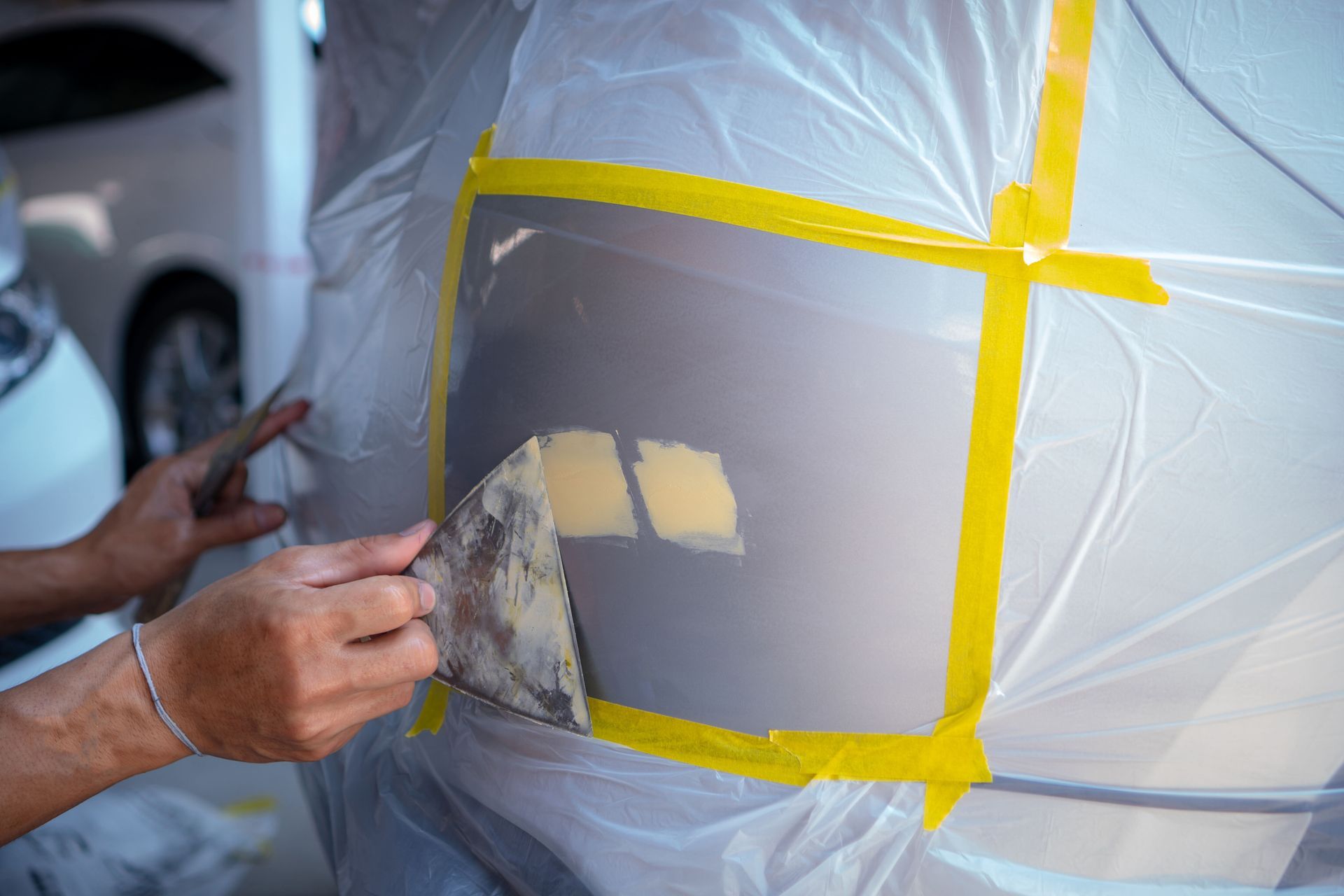
This process is detailed and controlled. Unlike traditional dent repair, which may involve sanding, filling, and repainting, paintless dent repair focuses on preserving what is already there. The original paint remains in place, and the panel is reshaped rather than covered. According to Capital One, paintless dent repair may address roughly 80% to 90% of typical dents. This makes paintless dent repairs a practical option for many drivers dealing with minor to moderate cosmetic damage.
Preserving the Vehicle’s Original Finish
One of the biggest advantages of paintless dent repair is that it helps preserve the factory paint. A vehicle’s original finish is applied under controlled manufacturing conditions, and keeping it intact can help maintain appearance and value. When repainting is avoided, there is no need to worry about color matching, overspray, or differences in finish texture between repaired and unrepaired areas.
Preserving the original finish can be especially helpful for newer vehicles, leased vehicles, and vehicles being prepared for resale. Drivers often want repairs that improve appearance without creating signs of bodywork. Because paintless dent repairs do not require fillers or repainting when the damage qualifies, they can be a strong choice for maintaining a clean, factory-like look after dents or dings occur.
Knowing What to Expect From the Process
The time needed for paintless dent repair depends on the amount and severity of the damage. A single door ding may be completed relatively quickly, while hail damage across several panels may take longer. The technician may need to inspect multiple areas, gain access behind panels, and work each dent individually. Even though the process can be efficient, quality work still requires careful attention to detail.
Vehicle owners should expect an initial assessment, a clear explanation of the repair options, and professional guidance on whether PDR is the right choice. In some cases, a combination of repair methods may be recommended if certain dents do not qualify. When the damage is suitable, paintless dent repairs can help restore the vehicle’s appearance with less disruption than many traditional repair approaches.
Paintless dent repair is a specialized method that restores certain dents without sanding, filling, or repainting the vehicle. By inspecting the damage, accessing the panel, applying precise pressure, and preserving the original finish, trained technicians can often correct dents caused by hail, door dings, and other minor impacts. The process is not right for every type of damage, but when the paint is intact and the metal can be reshaped, it can be an efficient and valuable repair option.
Understanding how the process works can help vehicle owners make informed decisions after dents appear. Instead of assuming every dent requires traditional bodywork, it is worth having the damage evaluated by experienced professionals. If your vehicle has dents, dings, or hail damage and you want to learn whether paintless dent repairs are the right solution, contact Dents Express today.




Share On: