
How Prompt Auto Dent Repairs Protect Your Vehicle’s Resale Value and Prevent Rust
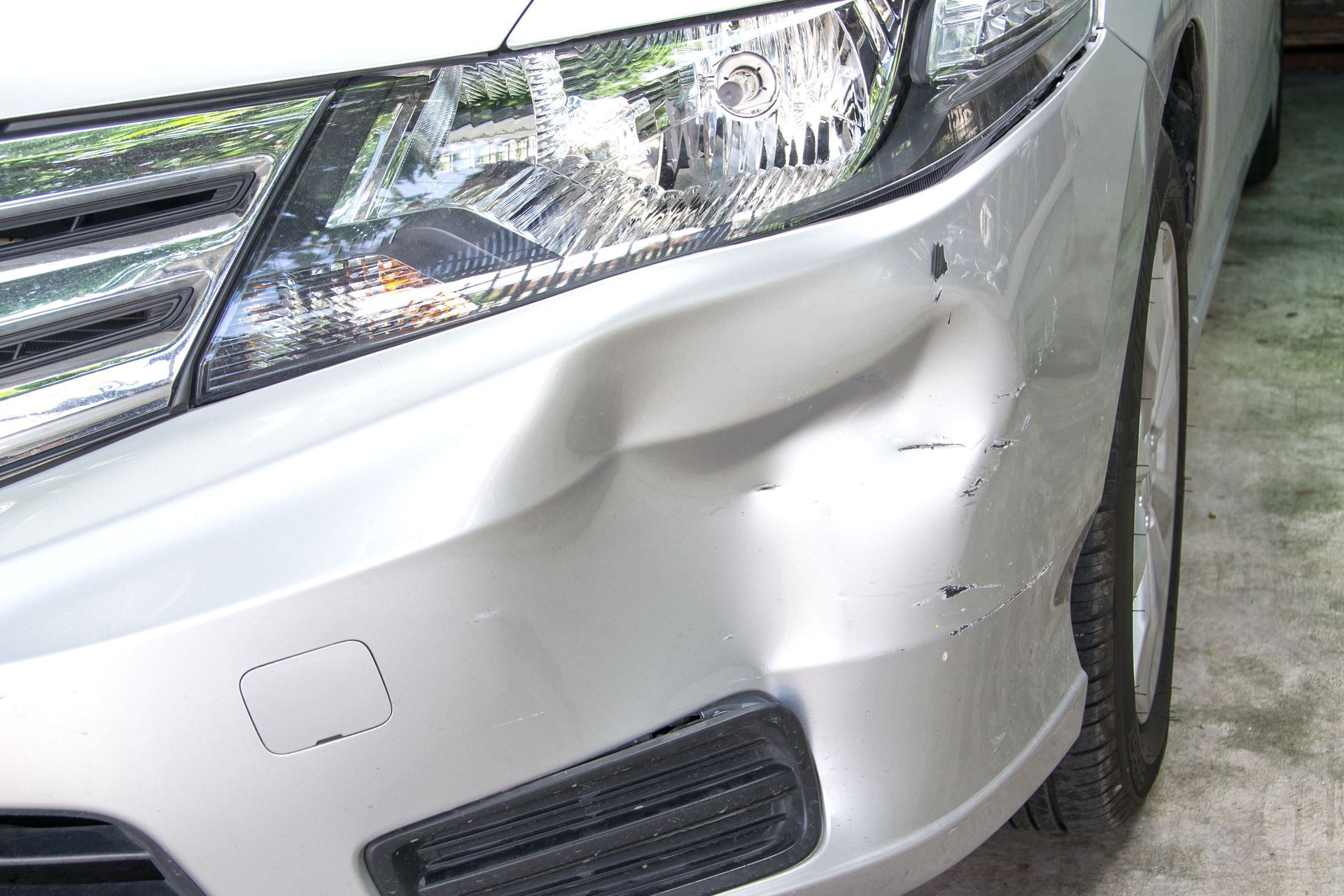
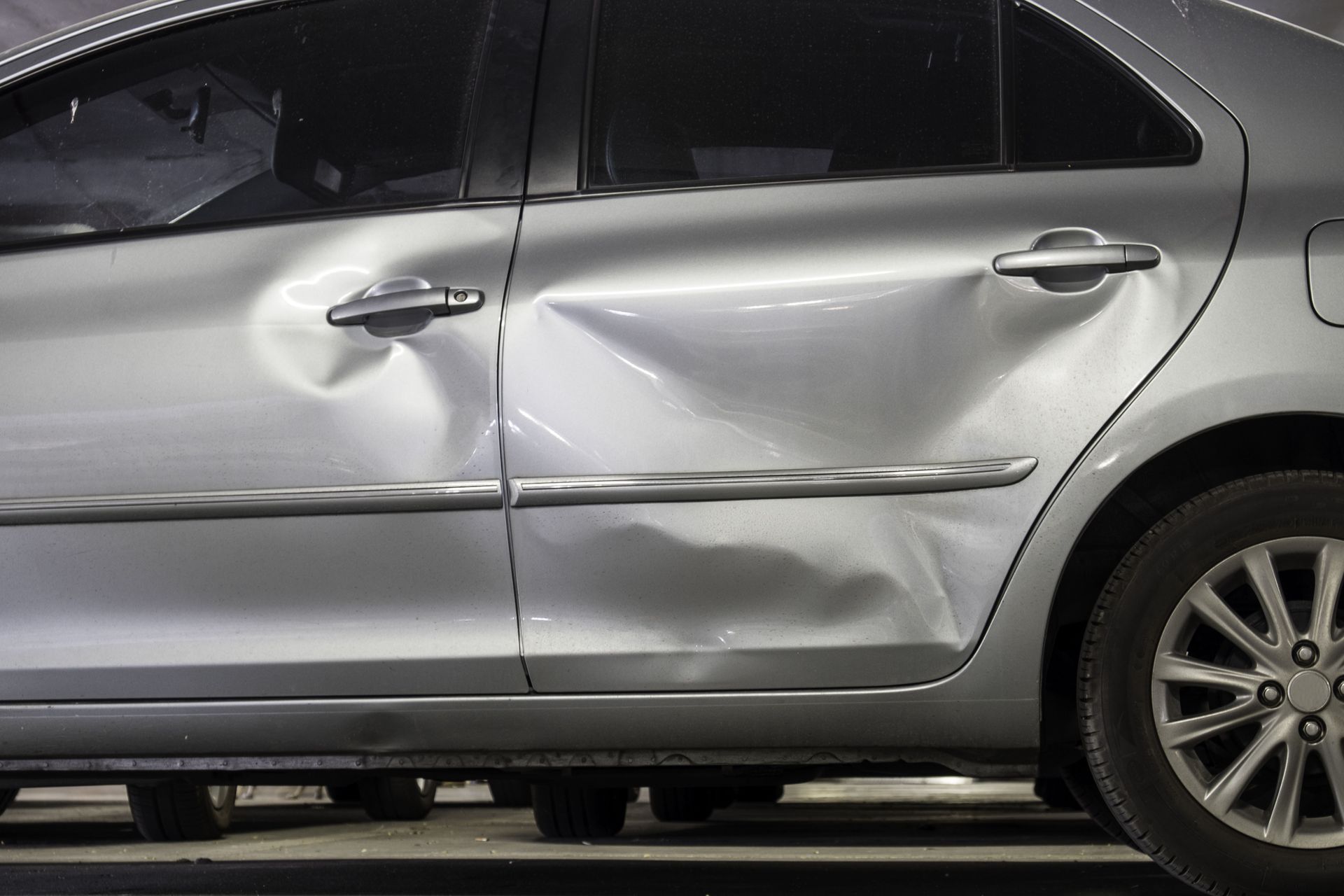
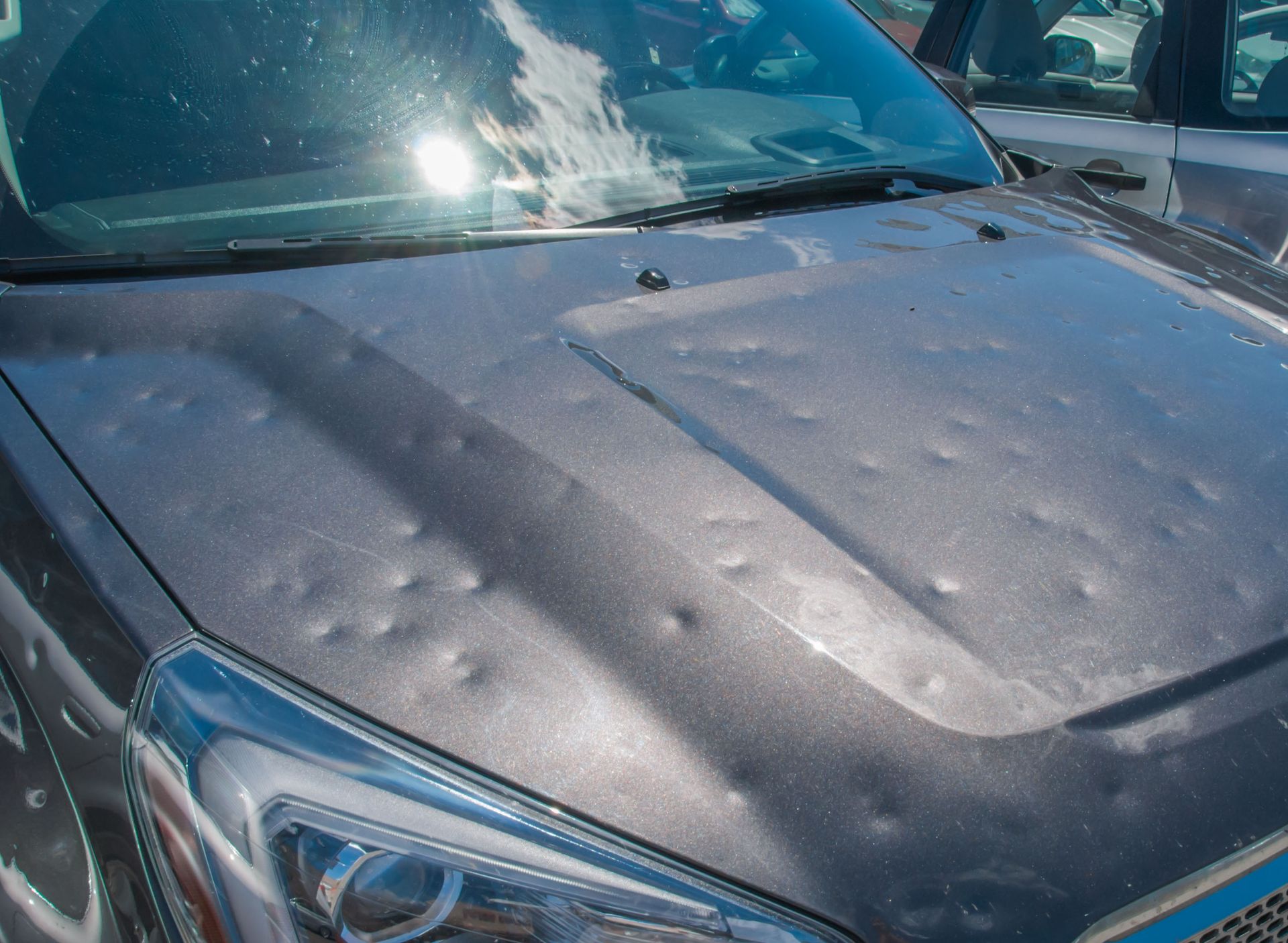
A dent may seem like a small cosmetic issue, especially when a vehicle still drives normally. However, the condition of the damaged panel and its paint matters beyond appearance. Cracked coatings can leave metal vulnerable to corrosion, while visible body damage can raise questions when a vehicle is eventually offered for sale.
Prompt auto dent repairs help address those concerns before damaged areas receive further exposure to weather and road conditions. The appropriate repair depends on the dent's location, depth, and effect on the finish. Professional assessment connects the visible damage with the work needed to restore the panel and protect its surface.
Buyer Impressions
A vehicle's appearance is often one of the first things a prospective buyer notices. Dents, creases, and damaged paint interrupt the exterior's overall presentation, even when the interior and mechanical components have received regular care. Buyers may wonder how the damage occurred and whether it has been evaluated. A consistent finish helps the vehicle present a clearer picture of its condition.
Cosmetic condition contributes to resale appeal alongside mileage, age, make, model, and maintenance history. Repairing a dent does not establish a predictable increase in value or erase a vehicle's accident history. It does, however, address an existing concern that buyers would otherwise need to consider. The strongest presentation combines sound repairs with accurate information about the vehicle.
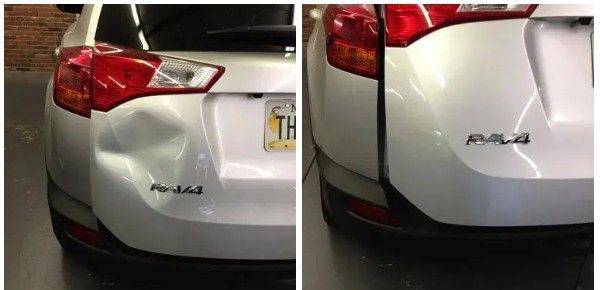
Professional auto dent repairs can help restore panel contours and a more uniform appearance. That improvement is particularly relevant when damage catches the light or makes adjacent panels look uneven. Repair quality matters because a poorly matched finish or distorted surface may create additional questions. Careful workmanship supports an appearance consistent with the rest of the vehicle.
Paint Damage and Corrosion
A vehicle's exterior coatings form a barrier between its metal panels and the environment. When an impact cracks, chips, or scrapes those coatings, the exposed area may become more vulnerable to corrosion. Steel can rust when moisture and oxygen reach unprotected metal. Other metals can corrode differently, so the panel's material matters when a technician evaluates the damage.
Not every dent breaks the paint or automatically leads to rust. Some leave the coating intact, while sharp creases or deeper impacts may damage it. Small cracks can also be difficult to recognize without a closer examination. The concern is therefore the condition of the protective surface, rather than the dent's size alone.
According to Isaacs & Isaacs Personal Injury Lawyers, a typical driver in the United States may experience three to four car accidents during their lifetime. Collisions are one source of body damage, alongside parking incidents and other impacts. Following any damaging event, professional assessment helps distinguish a cosmetic dent from paint damage or additional concerns that need attention.
Weather and Road Exposure
Rain, humidity, and condensation can bring moisture into contact with damaged surfaces. Winter road salt can further promote corrosion where protective coatings have been compromised. These conditions do not mean every dent will deteriorate at the same rate. The location of the damage, panel material, coating condition, and exposure all influence what may happen over time.
Delaying auto dent repairs leaves damaged areas exposed while those conditions continue. If corrosion develops, restoring the original contour alone may no longer address the entire problem. A technician may also need to evaluate the affected metal and surrounding finish. Early attention provides an opportunity to assess the area before visible deterioration becomes more extensive.
Damage along edges, seams, or wheel openings can deserve particular attention because these areas may receive repeated exposure to water and road debris. The visible mark may not show the full extent of coating damage nearby. A professional inspection can evaluate adjacent surfaces rather than treating the dent as an isolated feature. That broader view helps guide an appropriate repair.
Professional Repair Methods
Dent repair begins with understanding what happened to the panel and its finish. A technician considers depth, shape, location, access, and the condition of the paint. Damage near an edge or body line may require a different approach from a shallow dent on an open panel. The vehicle's construction and manufacturer repair requirements also influence the work.
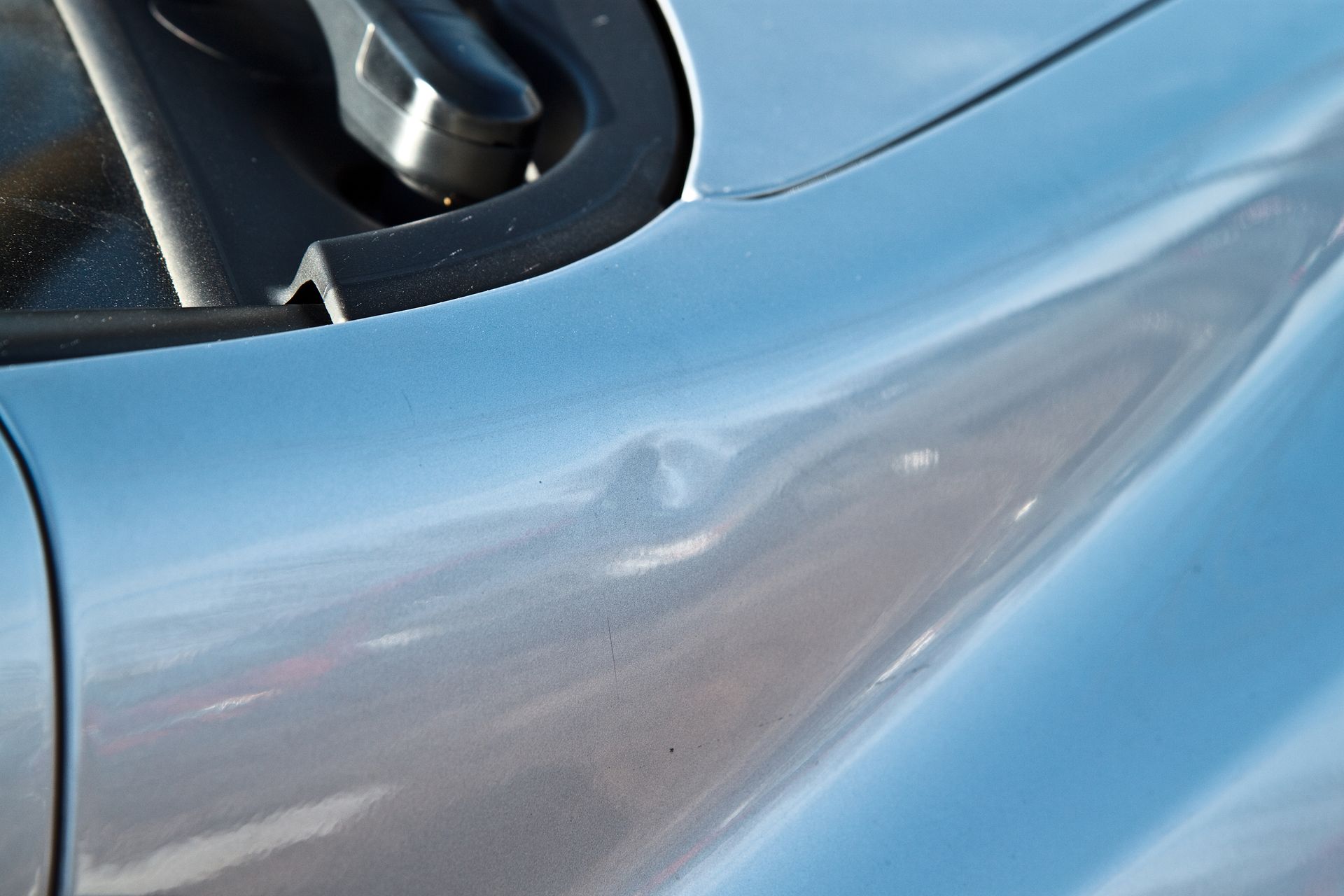
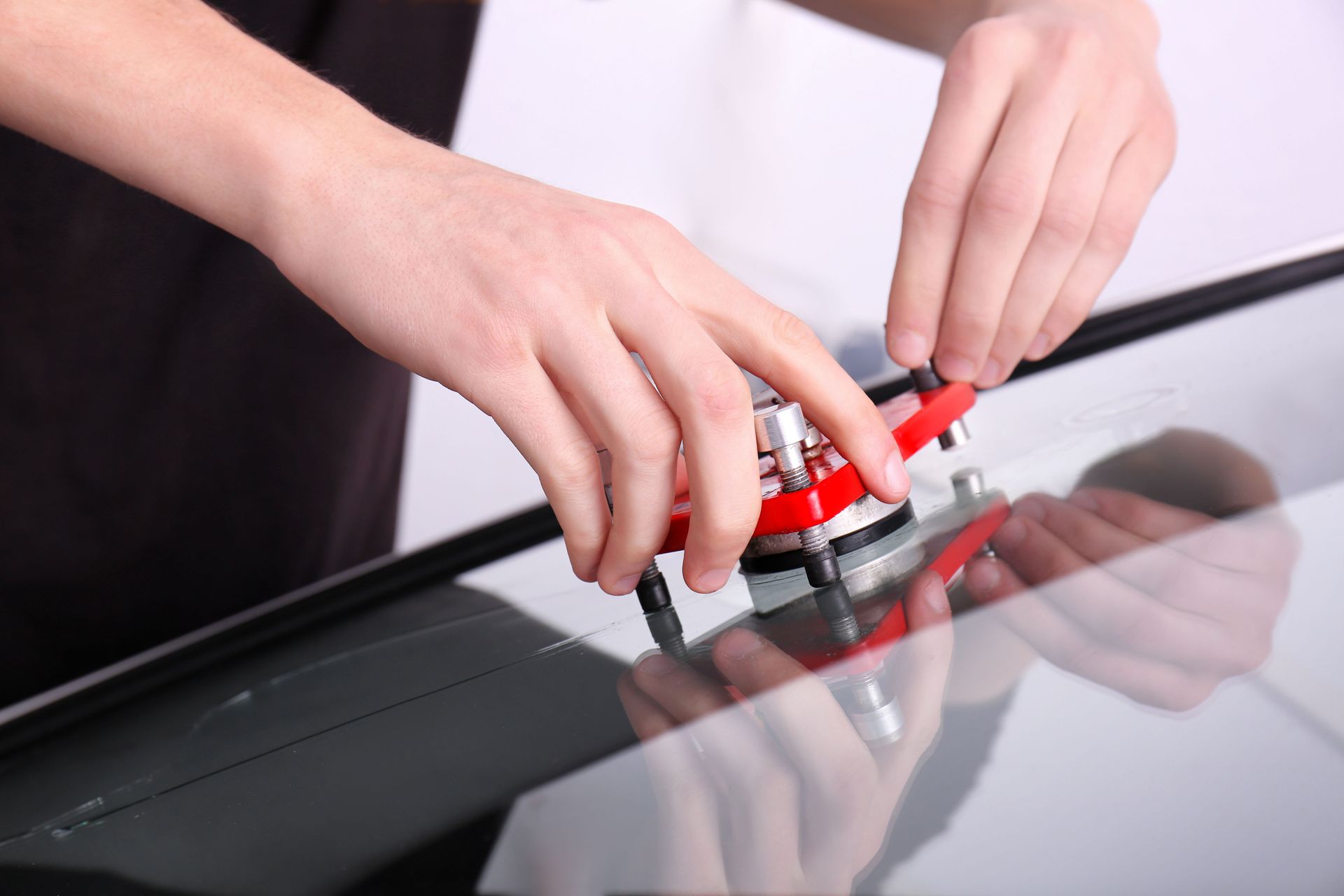
Paintless dent repair may be suitable when the coating remains intact and the damage allows the panel to be reshaped without refinishing. Other dents require conventional body repair and restoration of the finish. The method should follow the actual condition of the vehicle. An assessment helps owners understand why one approach is appropriate and another may not be.
Well-planned auto dent repairs address appearance and surface protection together. When refinishing is necessary, restoring the protective coating is part of the repair's purpose. Collision damage may also require checks beyond the dented panel, depending on the impact. A vehicle that drives normally can still have damage that deserves professional evaluation before it is treated as merely cosmetic.
Repair Quality and Records
Selecting a repair provider involves more than choosing a convenient appointment. Relevant technician training, experience with the vehicle's materials, and a clear explanation of the proposed work help owners assess the service. The provider should be able to discuss the panel's condition and the recommended repair method. Those conversations establish practical expectations for the finished result.
For auto dent repairs involving refinishing, color matching and surface consistency contribute to the overall presentation. Panel alignment and smooth contours matter as well. Any available written warranty should be understood according to its actual terms. Clear information about coverage and follow-up procedures helps owners know how concerns about the completed work will be handled.
Repair records can also support an accurate account of the vehicle's history. Documentation may identify the affected area, work performed, and date of service. These records do not replace disclosures or make a past collision disappear. They give future buyers useful context and help distinguish completed repairs from damage that remains unresolved.
Care After Repairs
After repair, the provider's care instructions help owners understand how to protect the restored finish. Newly refinished surfaces may have specific care requirements, so advice should come from the shop that completed the work. Professional exterior maintenance can then account for the coating's condition. Continued attention supports the repair without assuming every product or treatment suits every finish. The provider can explain which changes deserve another assessment and arrange appropriate follow-up when a repaired surface develops a problem during regular use.
New chips, scratches, or impact damage can create separate concerns after an earlier repair has been completed. Professional evaluation is useful when a mark appears near a repaired area or when discoloration suggests deterioration. Seasonal exposure also matters, particularly for vehicles driven on salted roads. Follow-up care should respond to the vehicle's actual condition and operating environment.
Prompt auto dent repairs contribute to a vehicle's presentation while addressing damage that may compromise protective coatings. Their value depends on the condition of the paint, the panel material, and the quality of the completed work. A dent does not automatically cause rust, but damaged coatings deserve attention before continued exposure allows corrosion to develop.
Professional assessment provides a sound starting point for choosing the repair method and identifying related concerns. Combined with appropriate follow-up care and accurate records, timely work supports a well-maintained exterior and a more transparent resale presentation. Addressing damage early helps owners protect their vehicle's condition throughout the time they continue to drive it.




Share On: