
How Modern Auto Dent Repair Restores Your Vehicle’s Original Factory Finish
Every vehicle encounters wear and tear, and few things detract from a car's appearance like a sudden dent. Whether caused by a stray shopping cart, a hailstorm, or a driveway mishap, damaged bodywork is frustrating. Addressing visual imperfections once meant accepting that your vehicle’s factory finish would be sanded down, filled, and repainted. Fortunately, the auto dent repair industry has transformed, making it possible to reverse damage while keeping your car's original appearance intact. Modern methods rely on patience, unique tools, and an understanding of automotive metallurgy to preserve exterior integrity. Ultimately, these techniques ensure your vehicle looks as it did off the assembly line without structural alterations or costly paint blending.
Understanding the Real Value of Preserving Your Original Factory Finish
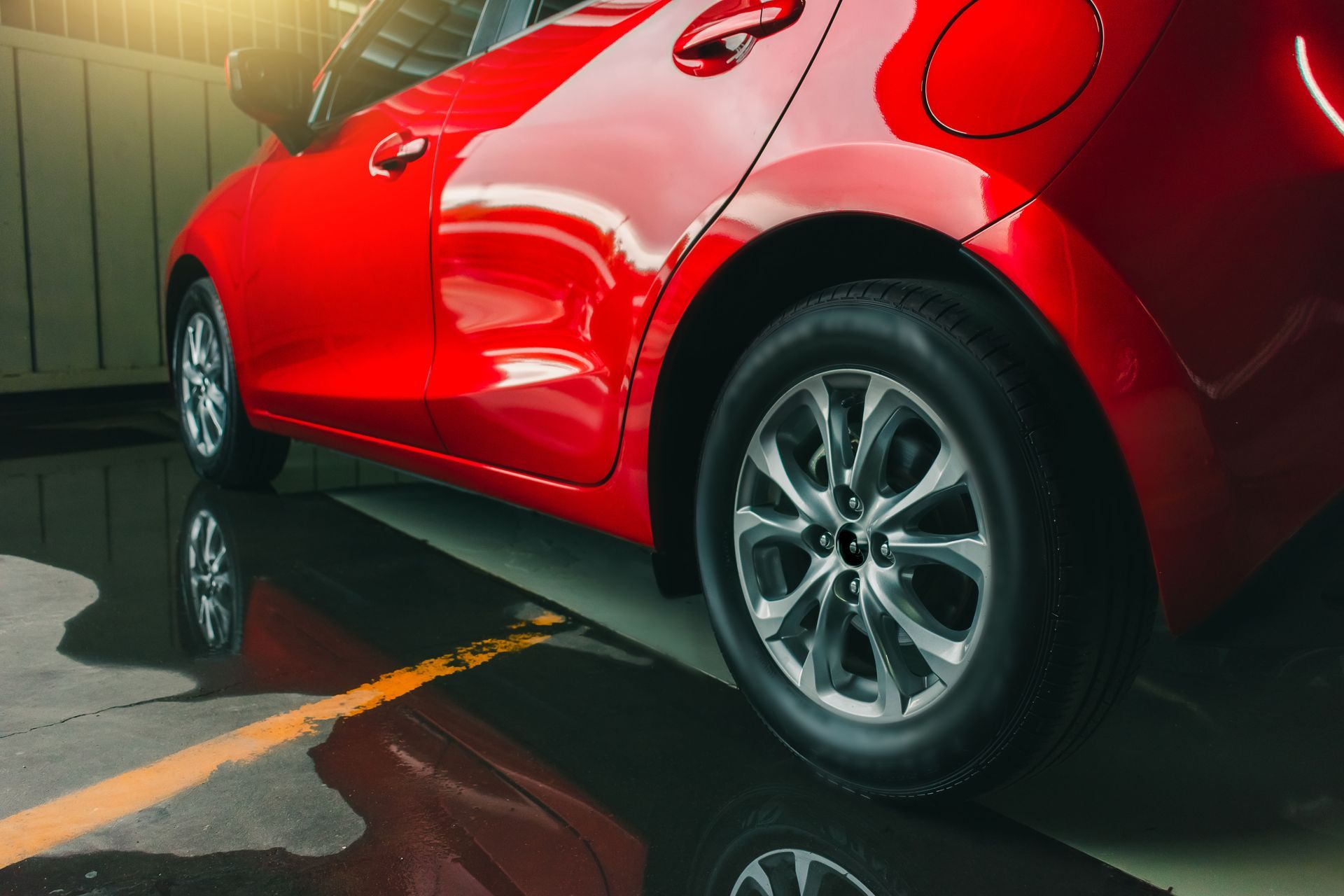
Maintaining original paint is critical for preserving long-term car value and durability. Factory paint is applied under controlled conditions using advanced baking processes that standard body shops cannot replicate. This creates a resilient bond protecting sheet metal from rust and corrosion. When traditional auto dent repair sands away this factory layer, replacement paint rarely matches that level of endurance or color compatibility. Opting for non-invasive auto dent repair techniques ensures your car retains its factory-applied coat, shielding it from finish issues. Preserving this outer layer also supports stronger resale value, as buyers and dealerships look for original body panels that have not been repainted.
Knowing the Process for Repairs Without Touch-Up Paint
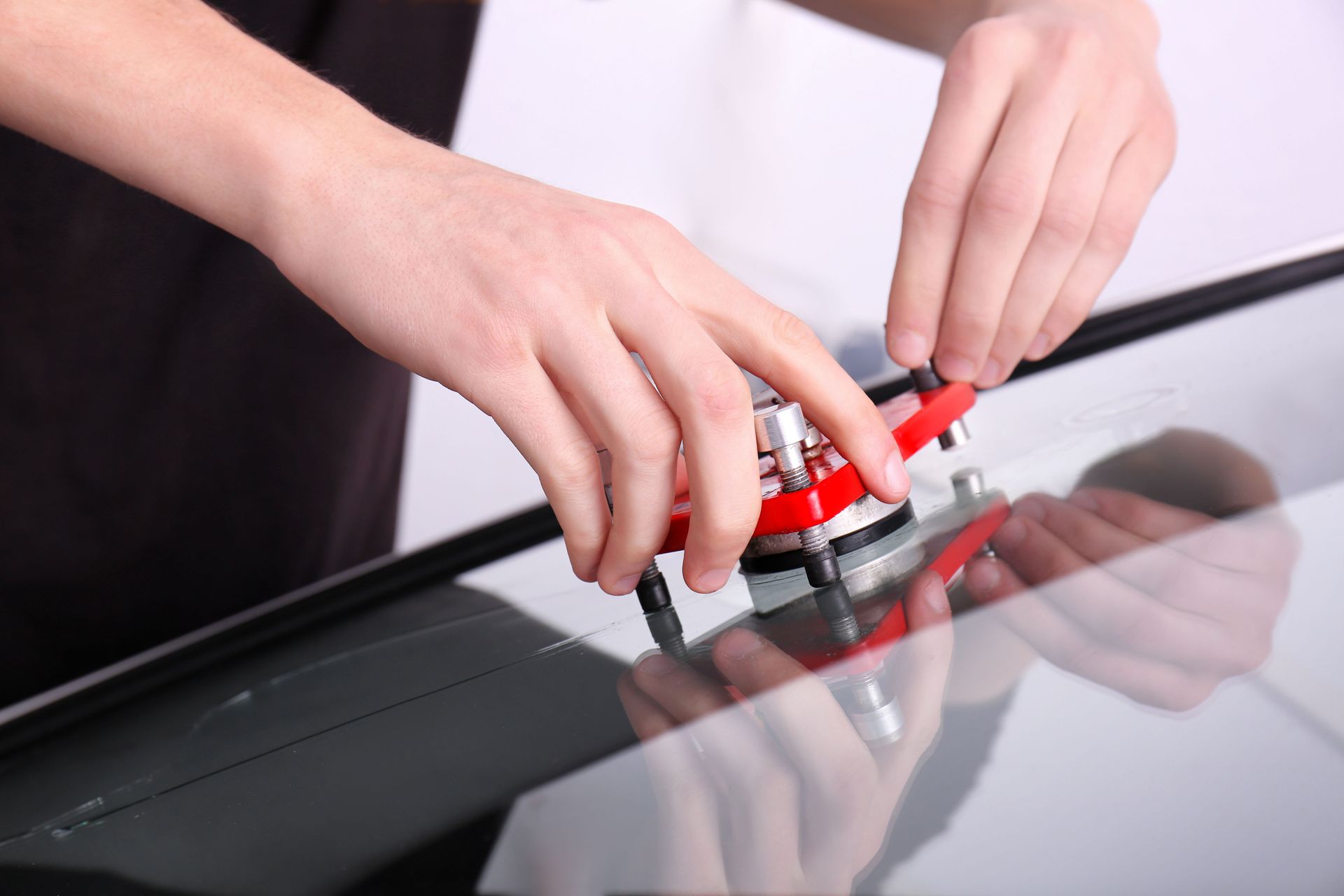
The modern approach to restoring your car without painting is paintless dent repair, which addresses damage from the inside out. Technicians access the back of the dented panel by removing inner trim or taillights. Once behind the metal, custom steel rods and hand tools apply precise pressure against the backside of the ding. Technicians gently massage distorted metal back into shape, relying on the metal's natural memory. This gradual, controlled leverage ensures the structural integrity of the outer panel is never compromised. Because no sanding, grinding, or body filler is used, surface paint remains undisturbed. This methodical process relies heavily on touch, control, and patience.
Reflecting Precision Through Better Lighting
An indispensable part of successful auto dent repair is using specialized lighting systems to reveal the metal's true shape. Technicians rely on reflection boards and LED light panels that cast parallel lines across damaged areas. Any sheet metal distortion causes reflected lines to bend or break, indicating exactly where adjustments are needed. By monitoring these patterns while working behind the panel, technicians make tiny adjustments to ensure a flat surface. Without high-contrast lighting, identifying high and low spots would be difficult, risking over-pushing or paint damage. This focus on reflection enables an exact restoration.
Learning the Surprising Statistics Behind Successful Repairs
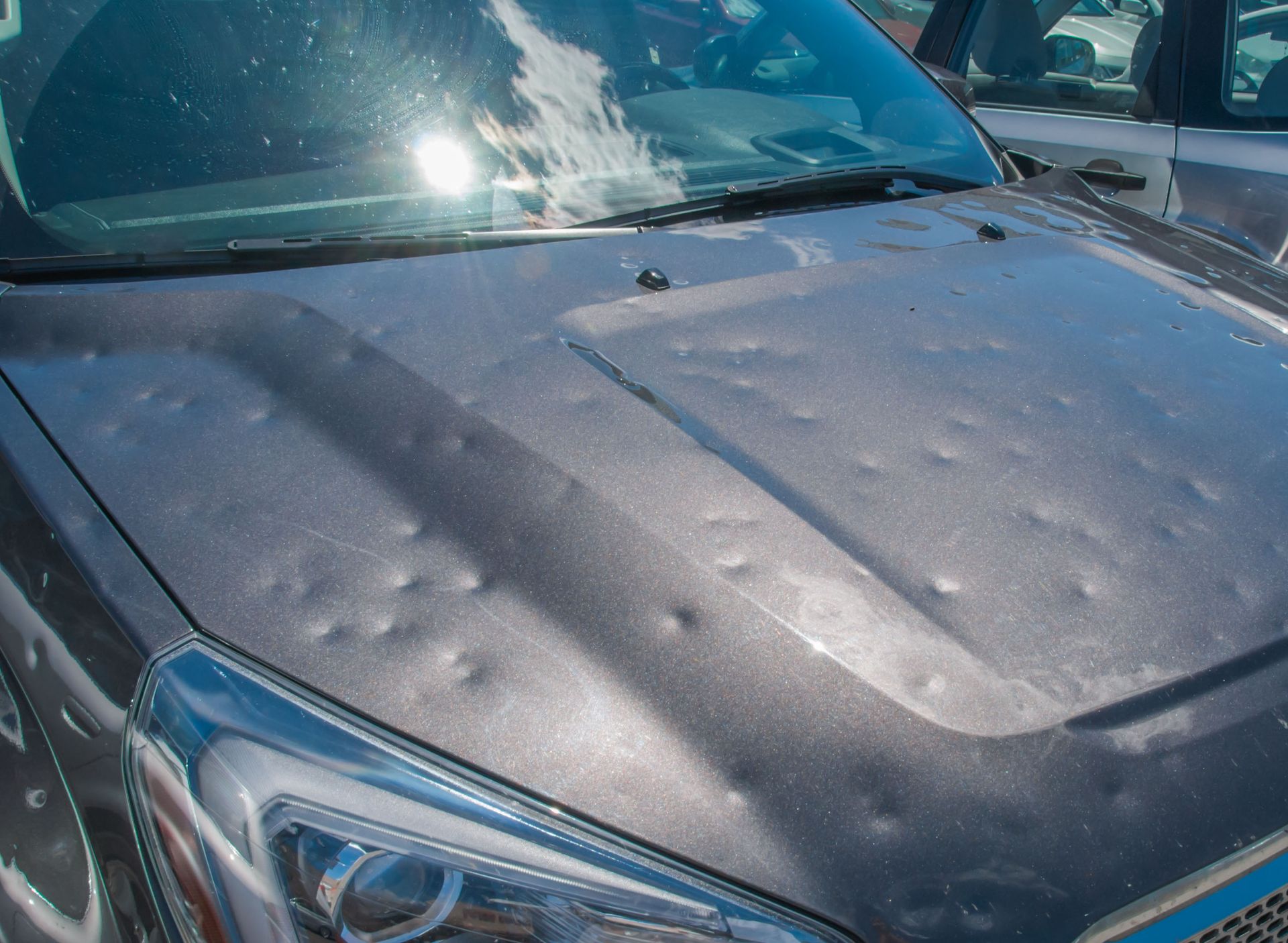
Many drivers assume anything larger than a door ding requires traditional bodywork. However, when paint is uncracked and unstretched, non-invasive methods handle a wide variety of damage, including large creases. According to Capital One, paintless dent repair can fix between 80% and 90% of typical dents. This high success rate stems from the flexibility of modern automotive steels and aluminum alongside advanced techniques. From hail damage covering a hood to large panel dents, these methods are standard solutions for common blemishes, resolving cosmetic issues without invasive conventional body repair.
Understanding Modern Materials
The success of modern auto dent repair relies on modern vehicle materials designed to be lightweight and resilient. High-strength steel and aluminum absorb impact energy while maintaining natural elasticity, or metal memory. When a dent occurs, deformed metal tends to return to its original stamp under proper pressure. A technician doing auto dent repair reads this memory to coax metal back without stretching or weakening panels. This precise manipulation ensures the structural integrity and factory contours of the panel remain fully intact. Furthermore, flexible factory paint bends with metal during impacts and restorations, preventing cracking or flaking.
Knowing What Kind of Dents Can Be Restored
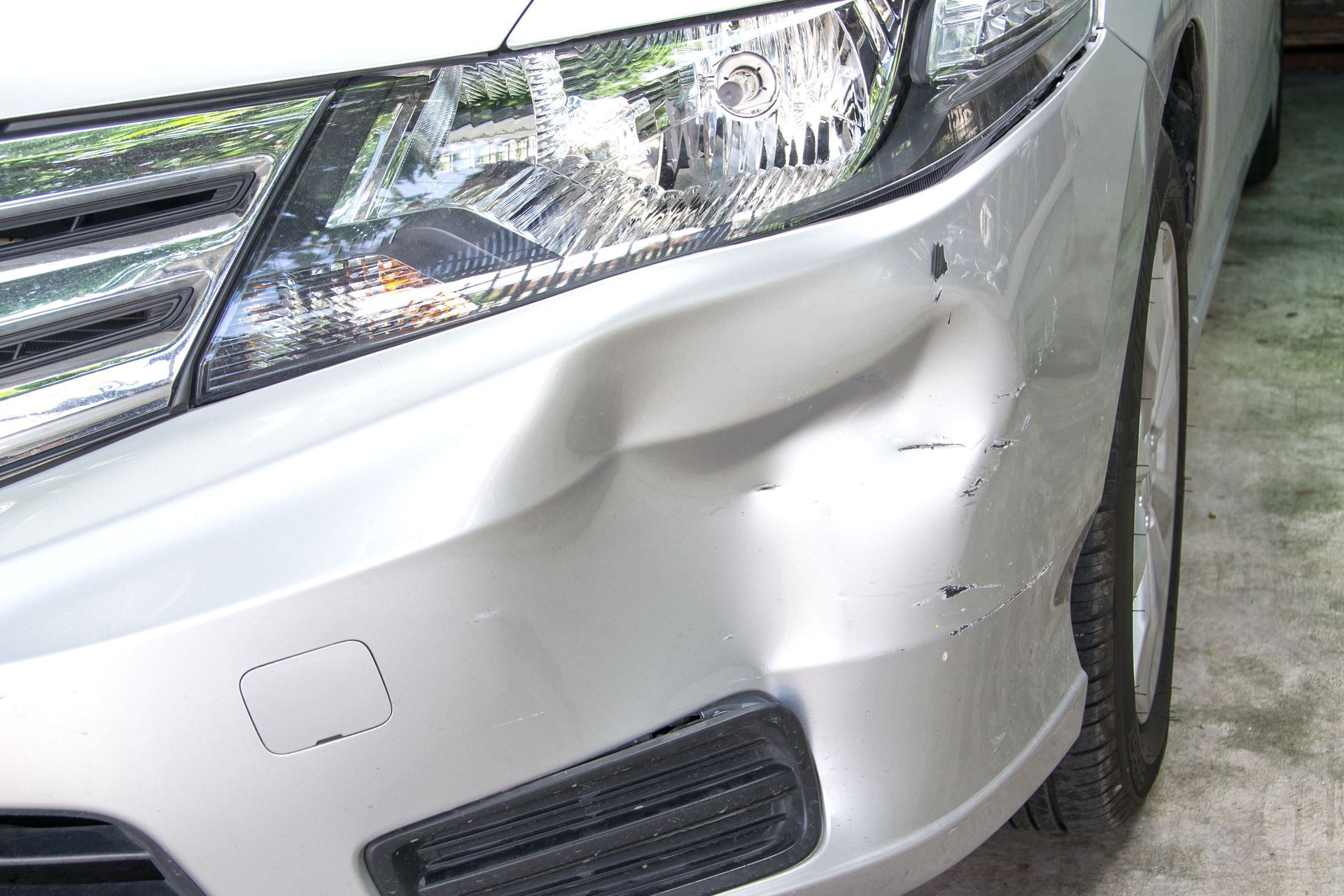
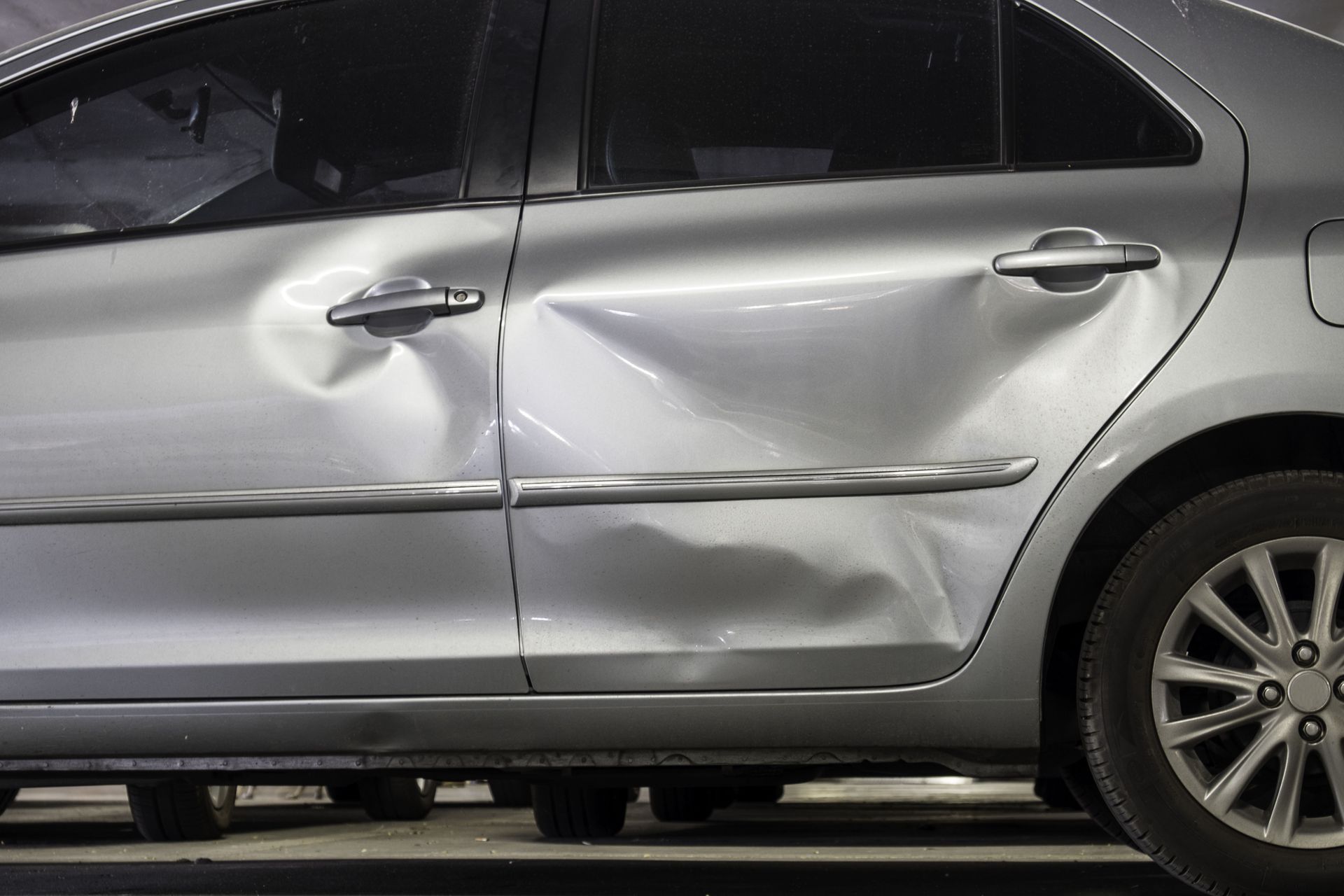
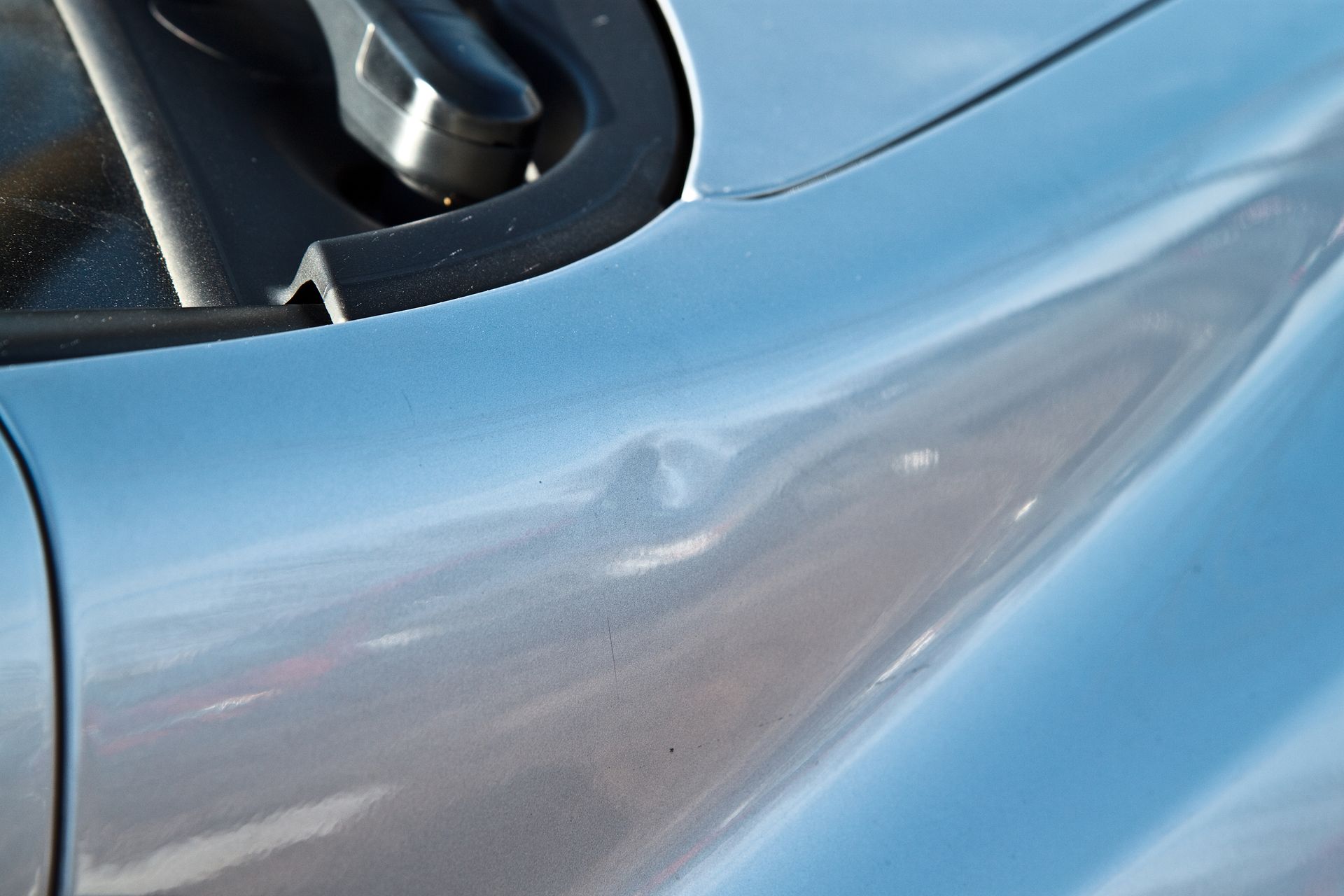
To determine if your vehicle qualifies for auto dent repair, consider the types of damage fixable without painting. Small to medium dings from door bumps or shopping carts rarely crack paint and are ideal candidates. Shallow dents from leaning on fenders or hoods are also easily remedied. Even complex multi-point hail damage can be systematically worked out. Technicians carefully evaluate the depth and location of each impact to ensure the underlying body panel can be safely manipulated. By leveraging specialized hand tools, even larger depressions can often be completely reshaped without compromising factory standards. The key requirement is intact paint and metal that is not deeply creased, torn, or stretched. Most rounded, creased, and natural dents suit this non-invasive care.
Choosing a Swift Solution as a Busy Driver
Beyond preserving appearance, modern auto dent repair saves substantial time. Traditional repairs require leaving your car for days or weeks while parts arrive, filler sets, and paint coats dry. In contrast, most paintless restorations finish in a single day, and minor dings take only hours. This efficiency allows drivers to drop off their vehicle in the morning and pick it up fully restored by the end of the afternoon. Eliminating the lengthy curing stages associated with conventional paint shops keeps your vehicle where it belongs—on the road. This rapid turnaround avoids rental car expenses and routine disruptions. Stripping away paint prep, drying time, and color matching makes restoration remarkably efficient.
Acknowledging Environmental and Economic Benefits
Another major advantage of modern auto dent repair is its eco-friendly nature. Because the process requires no paints, primers, fillers, or solvents, no volatile organic compounds are released. This eliminates chemical waste and overspray associated with refinishing. By keeping toxic chemicals out of the shop environment, this approach dramatically reduces the overall carbon footprint of your repair. Vehicle owners can rest easy knowing their vehicle is being serviced using clean, non-toxic techniques. Financially, eliminating materials yields savings for vehicle owners by cutting paint supplies and labor hours. This makes the method an economically sensible and environmentally responsible choice for vehicle maintenance.
Complementing Hail Damage and Major Dent Care
For vehicles with extensive hail damage, modern auto dent repair offers complete restoration without replacing multiple panels. Storms leave hundreds of small dents across hoods, roofs, and trunks that are expensive to fix with traditional filling and painting. Because each depression is systematically worked out from behind, the car's original structure remains entirely intact. This meticulous process eliminates the need for aggressive sanding or aftermarket paint applications. Working dents out from behind preserves factory panels and structural integrity, maintaining vehicle warranties and safety ratings. Choosing reliable auto dent repair with experienced storm technicians brings hail-damaged vehicles back to a pristine state.
Making the Right Choice for Your Vehicle
When investing in auto dent repair, connect with professionals who understand metal behavior and use proper equipment. While the process appears straightforward, it requires training and precision to prevent further damage. Over-pushing can crack paint or stretch metal, creating expensive mistakes. Skilled technicians maintain the balance of pressure and visibility for seamless results. They inspect damage, assess panel access, and set clear expectations before starting, ensuring your original factory finish remains undisturbed.
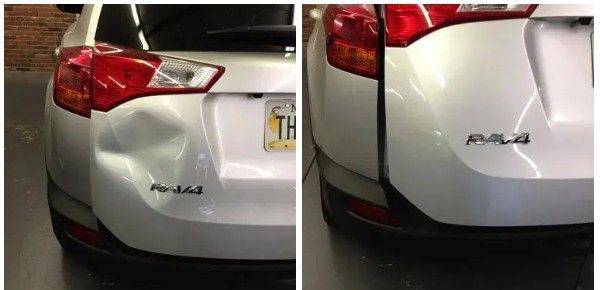
Modern auto dent repair is an effective, non-invasive way to keep your vehicle looking brand new. By avoiding paint, fillers, and aggressive sanding, this technique preserves your car’s original finish and long-term value. Whether dealing with a single door ding, hail damage, or larger creases, non-invasive restoration protects your investment. Reach out to Dents Express today to see how skilled technicians can erase dents and restore your vehicle’s factory-original finish.



Share On: